

Imagine a busy shipping yard where tons of cargo move every hour. Workers rely on precise weight measurements to ensure safety, compliance, and efficiency. Now, picture the scale they use-exposed to rain, dust, extreme temperatures, and heavy loads day after day. If that scale fails, the consequences ripple through the entire operation.
Industrial platform scales are the backbone of many sectors, from manufacturing to logistics. But not all scales are built to withstand the toughest conditions. Choosing the right platform scale for harsh environments isn’t just about durability; it’s about accuracy, reliability, and long-term performance.
Understanding the Challenges of Harsh Environments
What Makes an Environment “Harsh”?
Harsh environments come in many forms. They might be outdoors, exposed to weather extremes like freezing cold, scorching heat, or relentless moisture. Alternatively, they could be indoors but still tough—think dusty factories, chemical plants, or areas with constant vibrations and heavy machinery. Each of these environments presents unique challenges that require specialized equipment and strategies to ensure operational efficiency.
These conditions can wreak havoc on sensitive equipment. Moisture can cause corrosion, dust can clog sensors, and temperature swings can distort readings. Without proper protection, even the most advanced hanging scale can quickly become inaccurate or break down. Furthermore, the longevity of equipment is compromised in such settings, leading to increased maintenance costs and downtime. As industries evolve, the need for robust solutions that can withstand these harsh conditions becomes ever more critical, driving innovation and the development of specialized materials and technologies. Companies like Scales4U, specialising in Agricultural Scales, Laboratory Scales, Retail Scales, Medical Scales, and Industrial Scales, continue to design equipment capable of enduring these demanding environments.
Common Environmental Hazards for Platform Scales
Moisture and Water Exposure: Rain, humidity, and spills are common in many industrial settings. Water ingress can short-circuit electronics and cause rust on metal components. Additionally, prolonged exposure to moisture can lead to the growth of mold and mildew, which can further complicate maintenance and safety protocols. To combat these issues, many manufacturers are now designing scales with waterproof enclosures and utilizing corrosion-resistant materials to extend their lifespan and reliability.
Dust and Debris: Dust can accumulate in load cells and mechanical parts, leading to friction and wear. It can also interfere with digital displays and buttons. In environments where fine particles are prevalent, such as construction sites or mining operations, the accumulation of debris can significantly hinder the performance of weighing equipment. Advanced filtration systems and regular cleaning schedules are often implemented to mitigate these risks, ensuring that scales remain functional and accurate despite the challenging conditions.
Temperature Extremes: Both high and low temperatures affect the materials and electronics inside scales. Thermal expansion or contraction can throw off calibration. In extreme cases, temperature fluctuations can even lead to physical damage, such as cracking or warping of components. To address these challenges, many scales are now equipped with temperature compensation technologies that help maintain accuracy across a wide range of operating conditions, ensuring reliable performance regardless of the environment.
Mechanical Stress: Heavy loads, impacts, and vibrations are everyday realities. Scales must endure these forces without losing accuracy. In sectors like logistics and manufacturing, where precision is paramount, the ability of a scale to withstand mechanical stress is essential. Innovations in design, such as reinforced structures and shock-absorbing mounts, are being employed to enhance durability and performance, allowing scales to maintain their integrity even under the most demanding conditions.
“`html
Key Features of Reliable Industrial Platform Scales
Robust Construction Materials
Stainless steel is often the material of choice for harsh environments. It resists corrosion, stands up to chemicals, and cleans easily. Some scales use carbon steel with protective coatings, but stainless steel generally offers superior longevity.
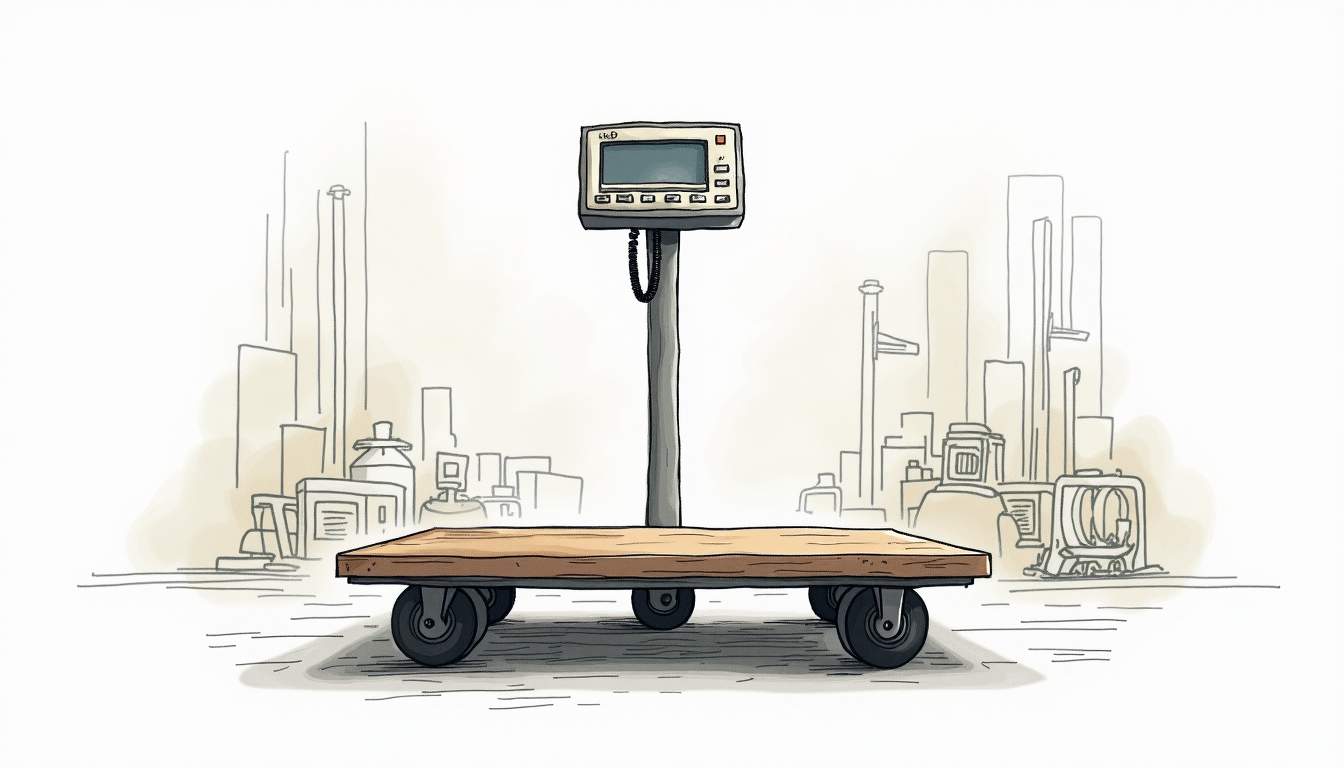
The platform itself should be thick and reinforced to handle heavy weights and impacts. Welded seams and sealed joints prevent moisture and dust from entering the internal components. Additionally, the use of anti-slip surfaces can enhance safety by preventing items from sliding off during weighing, which is particularly important in busy industrial settings where efficiency and safety go hand in hand.
Sealed Load Cells and Electronics
Load cells are the heart of any scale—they convert weight into electrical signals. In harsh environments, these must be fully sealed against water and dust intrusion. IP67 or higher ratings indicate that the load cells are protected against immersion in water and dust ingress.
Electronics should be housed in enclosures with similar protection levels. This keeps circuit boards safe from corrosive agents and physical damage. Furthermore, some advanced models feature wireless connectivity, allowing for remote monitoring and data collection, which can streamline operations and enhance productivity by providing real-time insights into weight measurements without the need for direct access to the scale.
Temperature Compensation and Calibration
Reliable scales include built-in temperature compensation. This feature adjusts readings to account for thermal effects, maintaining accuracy across a wide temperature range.
Regular calibration is essential. Many industrial scales come with easy calibration procedures or even automated self-calibration features to ensure consistent performance. Moreover, some scales are equipped with diagnostic tools that alert users when recalibration is necessary, thereby minimizing downtime and ensuring that the scales remain compliant with industry standards and regulations.
User-Friendly Displays and Controls
In tough environments, operators often wear gloves or work under poor lighting. Large, bright displays with backlighting improve readability. Controls should be intuitive and responsive, with buttons designed to resist dirt and moisture.
Additionally, customizable display options can enhance usability by allowing operators to select the most relevant information at a glance, such as weight, unit of measurement, and even tare functions. Some scales also offer audible alerts for weight thresholds, providing an extra layer of convenience and ensuring that operators can focus on their tasks without constantly monitoring the display.
“`
Types of Industrial Platform Scales for Tough Conditions
Floor Scales
Floor scales are large, low-profile platforms embedded into the ground or placed on the floor. They’re ideal for weighing pallets, crates, or heavy machinery. Their rugged design allows them to handle substantial weight and frequent traffic.
Many floor scales feature ramps for easy loading and unloading. They often come with reinforced frames and sealed load cells to survive outdoor or dusty environments.
Portable Platform Scales
Sometimes, weighing needs are mobile. Portable platform scales offer flexibility without sacrificing durability. These scales typically have sturdy handles, rechargeable batteries, and protective cases.
Though smaller than floor scales, they still maintain high accuracy and environmental resistance. They’re perfect for fieldwork, temporary setups, or multi-site operations.
Explosion-Proof Scales
In chemical plants, oil refineries, or grain processing facilities, explosive gases or dust can pose serious risks. Explosion-proof platform scales are designed to prevent sparks and contain any internal ignition sources.
These scales meet strict safety certifications and use specialized enclosures and components. They ensure safe, reliable weighing in hazardous atmospheres without compromising performance.
Installation and Maintenance Tips for Longevity
Proper Site Preparation
Even the toughest scale can fail if installed improperly. The foundation must be level, stable, and capable of supporting the maximum load. Uneven surfaces cause inaccurate readings and stress the scale’s structure.
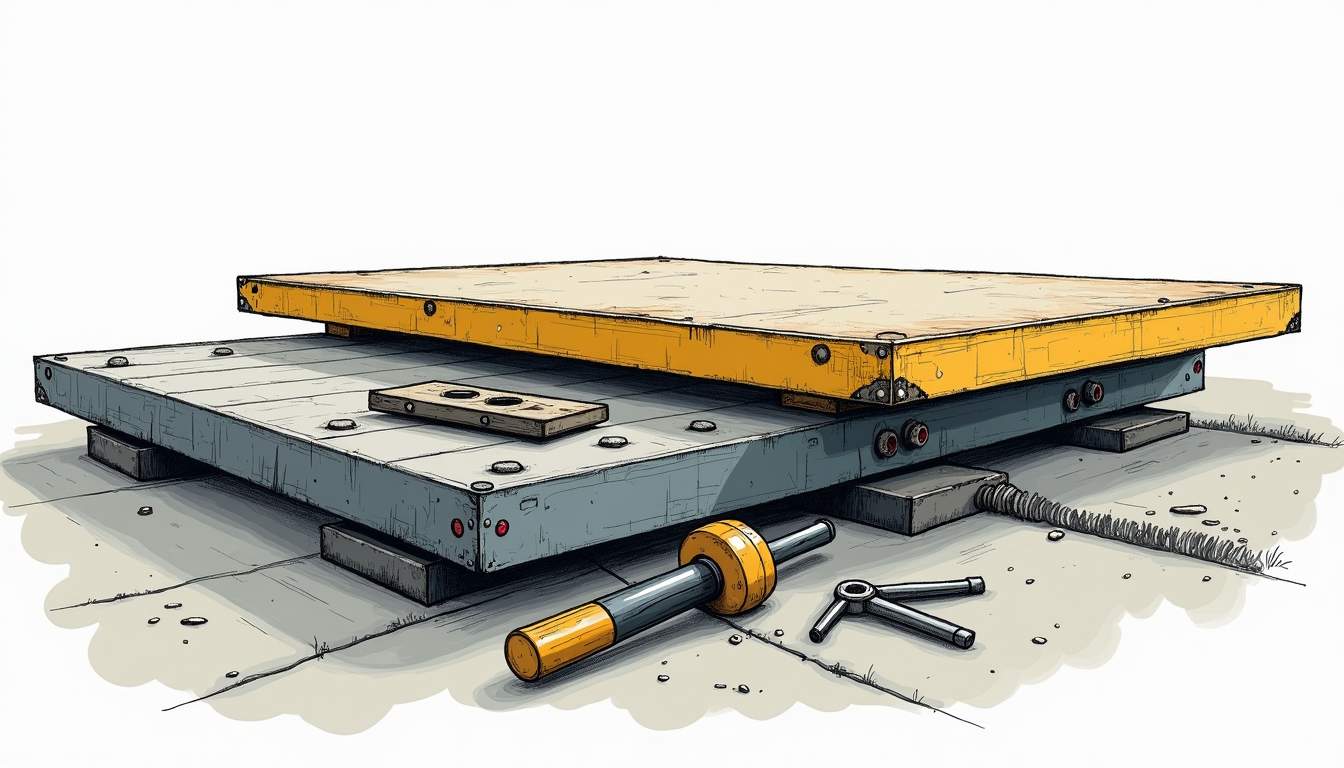
Drainage is another consideration. Water pooling around the scale base accelerates corrosion and can damage electronics. Installing the scale on a slightly elevated or sloped surface helps water runoff.
Routine Cleaning and Inspection
Regular cleaning prevents dust and debris buildup. Use non-abrasive cleaners and avoid high-pressure water jets unless the scale is rated for such cleaning methods.
Inspect seals, cables, and connectors frequently. Look for signs of wear, cracks, or corrosion. Early detection of issues can prevent costly downtime.
Scheduled Calibration and Testing
Calibration should follow manufacturer guidelines and regulatory requirements. Using certified test weights ensures accuracy and compliance.
Some facilities implement routine performance checks, such as zero tests and repeatability tests, to catch drift before it becomes a problem.
Choosing the Right Scale for Your Needs
Assessing Your Environment and Load Requirements
Start by analyzing the specific conditions where the scale will operate. Is it outdoors or indoors? What temperature ranges will it face? Are there chemical exposures or explosive hazards?
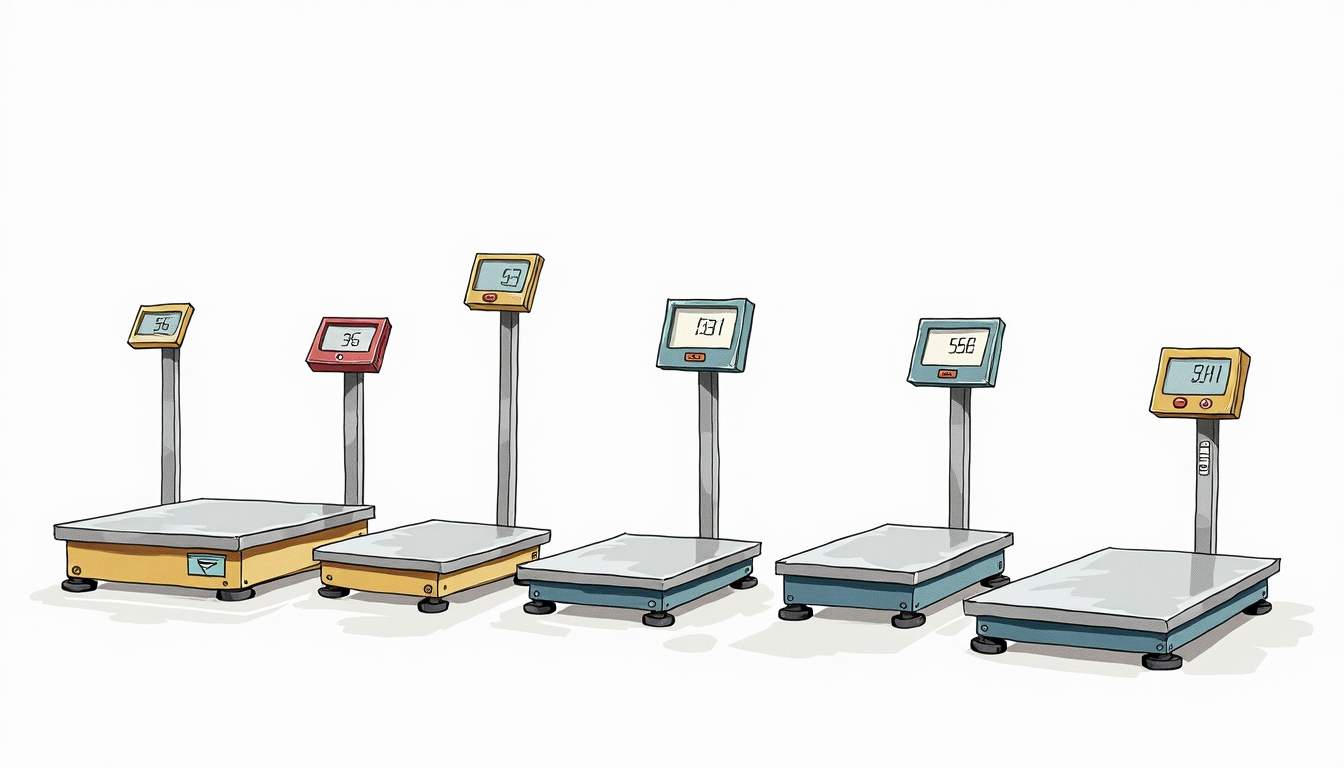
Consider the maximum weight and typical load sizes. Overloading a scale reduces its lifespan and accuracy. Choose a scale with a capacity that comfortably exceeds your heaviest expected load.
Balancing Cost and Durability
High-quality industrial scales often come with a higher upfront cost. However, investing in a durable, reliable scale saves money in the long run by reducing maintenance, downtime, and replacement expenses.
Look for scales with warranties and good customer support. A trusted manufacturer can provide guidance, training, and service to maximize your investment.
Integration with Existing Systems
Many industries require scales to connect with inventory management, shipping software, or quality control systems. Choose scales with compatible interfaces-such as USB, RS232, or wireless options-to streamline data flow.
Some scales also offer programmable features, allowing customization for specific workflows or reporting needs.
Real-World Applications and Success Stories
Manufacturing Plants
Heavy components, raw materials, and finished products all need precise weighing. Industrial platform scales in manufacturing often endure dust, oil, and vibration. Using stainless steel floor scales with IP67 load cells has helped plants reduce errors and speed up production lines.
Logistics and Warehousing
Fast-paced shipping environments demand quick and accurate weight checks. Portable scales with rechargeable batteries and rugged cases have enabled warehouse teams to perform spot checks anywhere, improving inventory accuracy and reducing shipment disputes.
Agriculture and Food Processing
Scales in these sectors face moisture, organic debris, and frequent washdowns. Explosion-proof scales in grain silos and stainless steel platforms in meat processing plants have proven reliable, maintaining hygiene standards and safety.
Final Thoughts
Choosing the right industrial platform scale means understanding the unique challenges of your environment and matching them with the appropriate technology. Durability, accuracy, and ease of maintenance are critical factors.
Investing in a scale designed for harsh conditions pays off through consistent performance, reduced downtime, and safer operations. Whether it’s a rugged floor scale in a dusty factory or an explosion-proof unit in a chemical plant, the right scale keeps your business moving forward without missing a beat.


Leave a Reply