

Healthy hair is often seen as a reflection of overall wellness. While genetics and hair care routines play a role, nutrition is one of the most critical factors affecting hair strength, thickness, and growth. Vitamins and minerals are essential for the structure, function, and vitality of hair follicles, and deficiencies can lead to thinning, breakage, or hair loss. Understanding which nutrients are crucial for hair health can help you make informed dietary choices and consider supplements if needed.
The Role of Vitamins in Hair Health
Vitamins are organic compounds that support many bodily functions, including hair growth. They help with cell production, protein synthesis, and maintaining a healthy scalp environment.
Key vitamins for stronger hair:
- Vitamin A: Supports scalp health by promoting sebum production, keeping hair hydrated and reducing breakage.
- B Vitamins: Biotin, in particular, is known for supporting keratin production, the protein that forms hair strands. Other B vitamins help with blood circulation to hair follicles.
- Vitamin C: Acts as an antioxidant, protecting hair follicles from free radical damage. It also aids in collagen production, essential for hair structure.
- Vitamin D: Plays a role in hair follicle cycling, with deficiencies linked to thinning hair.
- Vitamin E: Improves blood circulation to the scalp and protects hair cells from oxidative stress.
Including these vitamins through a balanced diet or supplements ensures that hair follicles remain healthy and capable of producing strong, thick hair.
Essential Minerals for Hair Strength
Minerals are inorganic elements that contribute to structural and functional aspects of hair. They help in protein formation, cell division, and maintaining scalp health.
Important minerals for hair:
- Zinc: Supports hair growth, repair, and the functioning of oil glands around follicles.
- Iron: Delivers oxygen to hair follicles, preventing hair shedding caused by deficiency.
- Selenium: Protects hair cells from oxidative stress and contributes to healthy hair growth.
- Magnesium: Helps in protein synthesis and supports scalp circulation.
- Copper: Plays a role in hair pigmentation and follicle health.
Adequate intake of these minerals through diet or supplementation can strengthen hair from the root and improve overall hair density.
Boosting Hair Health with Supplements
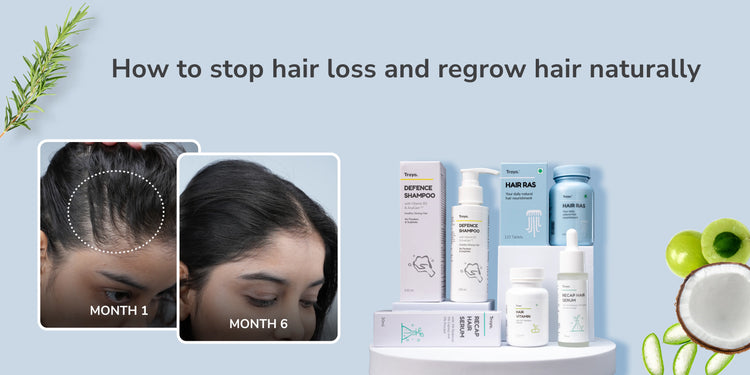
Sometimes, diet alone may not provide all the vitamins and minerals needed for optimal hair health. This is where supplements can play a helpful role. Traya Health offers a variety of products that focus on hair nutrition and overall wellness. Using Traya Health Coupons & Deals can make these supplements more accessible and budget-friendly.
Popular types of hair supplements include:
- Multivitamins: Provide a broad spectrum of nutrients that support hair structure and growth.
- Biotin supplements: Boost keratin production, reducing hair breakage.
- Iron and Zinc supplements: Address deficiencies that often lead to hair thinning or hair fall.
- Omega-3 fatty acids: Help reduce inflammation and improve scalp health.
Many supplements available on Traya Health’s collection are designed for hair, skin, and overall wellness. Choosing the right supplement based on your nutritional needs and hair concerns can make a noticeable difference in strength, thickness, and shine.
How Nutrition Impacts Hair Growth
Hair is made primarily of protein, so protein intake along with vitamins and minerals is critical. Nutrients support hair follicles at the cellular level, allowing them to produce strong, healthy hair strands.
Key points on nutrition and hair growth:
- A balanced diet ensures steady hair growth and reduces shedding.
- Nutrient deficiencies can cause brittle, weak hair and slower growth.
- Adequate hydration and minerals improve elasticity and prevent split ends.
- Combining protein-rich foods with vitamins and minerals enhances follicle function.
Foods like eggs, nuts, leafy greens, and fish provide the essential building blocks for healthy hair.
Common Signs of Nutrient Deficiency in Hair
Recognizing early signs of nutrient deficiencies can help you take corrective measures before significant hair loss occurs.
Symptoms include:
- Excessive hair shedding or thinning
- Dry, brittle hair that breaks easily
- Slow hair growth
- Dull or lackluster hair
- Premature graying
Addressing these signs often requires both dietary adjustments and supplementation. A holistic approach ensures hair strength and prevents further damage.
Lifestyle Factors That Complement Hair Nutrition
While vitamins and minerals are critical, lifestyle habits also affect hair health.
Helpful habits:
- Manage stress levels through meditation or exercise, as stress can contribute to hair loss.
- Maintain proper scalp hygiene to support follicle health.
- Avoid excessive heat styling or harsh chemical treatments.
- Ensure adequate sleep, which supports cell regeneration and nutrient absorption.
Combining proper nutrition with healthy lifestyle practices maximizes hair strength and thickness.
Tips for Maximizing Supplement Benefits
If you choose to use supplements for hair health, following these tips can enhance their effectiveness:
- Take supplements consistently as directed.
- Pair them with nutrient-rich foods for better absorption.
- Consult a healthcare professional to identify any deficiencies.
- Track improvements to adjust dosage or type if needed.
When purchased from trusted sources, supplements provide a reliable way to fill nutritional gaps and support long-term hair wellness.
Final Thoughts
Healthy hair requires a combination of proper nutrition, supplements, and lifestyle choices. Vitamins and minerals play a vital role in strengthening hair, promoting thickness, and maintaining follicle health. Paying attention to nutrient intake, recognizing deficiency signs, and incorporating high-quality supplements can make a significant difference.
By understanding the science behind hair nutrition and focusing on holistic care, anyone can achieve stronger, thicker, and more vibrant hair naturally.


Leave a Reply