

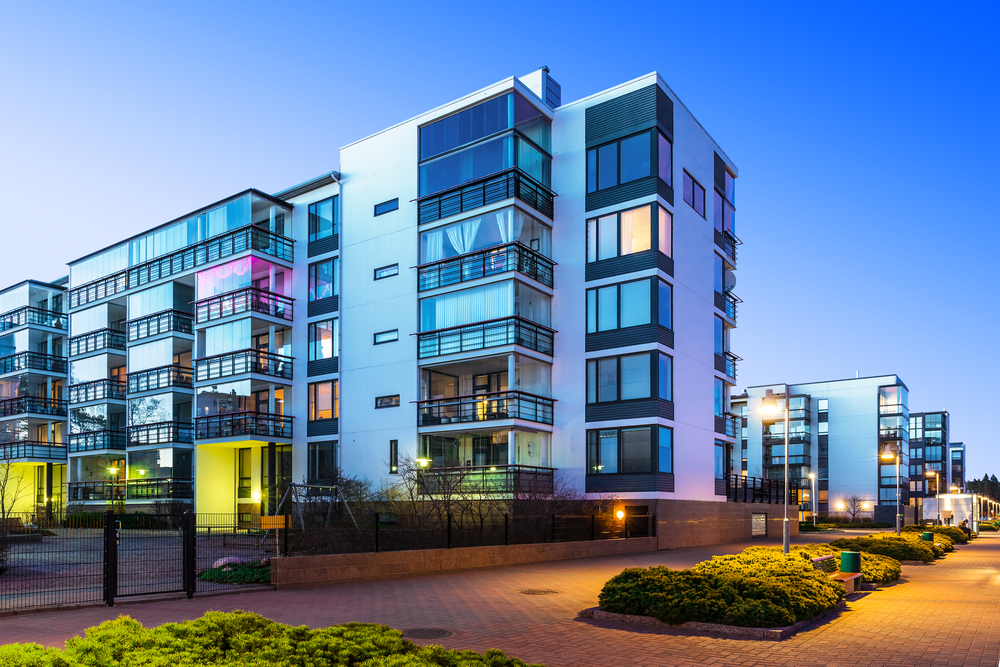
India’s cities are evolving at a remarkable pace. What once began as isolated apartment clusters or gated societies, has now matured into the concept of modern townships—large-scale, self-sufficient communities that have been designed to offer every essential aspect of urban life within walking distance. As metropolitan cities like Mumbai, Pune, and Bengaluru grow denser and more demanding, integrated developments like these are not just altering where we live and how we live.
The Rise of Modern Townships
A few decades ago, people associated city living in India with cramped apartments, erratic infrastructure and long commutes. Residents had to travel for it all, be it education, healthcare, shopping, or recreation. But the story is changing. Developers are responding to growing urban pressures by designing fully integrated environments that combine residential, commercial and recreational spaces in one cohesive layout.
These townships, like BKC 28, normally span several acres and are planned to optimise space, sustainability and convenience. This shift towards these integrated communities mirrors a global urban trend, but in India, it answers a particularly urgent need for balance between work, wellbeing and lifestyle.
Why Modern Townships Appeal to Today’s Homebuyers
Today’s urban buyer is no longer looking solely for four walls and a roof. Convenience, community and quality of life have become top priorities, and townships meet these needs head-on.
Families appreciate the proximity of schools and parks, while professionals value reduced commute times, not to mention senior citizens benefit from security and accessible healthcare.
Importantly, these developments also prove attractive from an investment perspective. Properties within large integrated townships tend to hold value better over time, driven by continuous infrastructure improvement and the brand equity of the developer.
The Role of Builders
Behind every successful township lies the vision and reliability of some of the best real estate builders such as Shapoorji Pallonji Real Estate. Delivering a township requires expertise in master planning, infrastructure management and long-term maintenance. Reputed builders ensure not only construction quality but also the community experience that follows.
They invest heavily in sustainable practices, design innovation and partnerships with technology providers to ensure the township thrives long after handover. For families considering relocation, choosing such a trusted developer can mean a smoother move, transparent communication and a property that appreciates steadily over time.
The Broader Impact on Indian Cities
The emergence of integrated townships is reshaping how Indian cities expand. Instead of an unplanned sprawl, we’re getting planned urban extensions, complete with a green cover, well-laid roads and dedicated civic zones. This approach eases the burden on overworked city centres, and evenly distributes a region’s population density while encouraging better civic management.
Moreover, these townships often act as micro-economies, generating employment for retail, maintenance, transport and service staff. They boost local businesses and contribute positively to regional development, creating ripple effects that go beyond real estate.
Looking Ahead
As India’s cities continue to urbanise, the preference for modern, self-contained communities is only growing. For young professionals, nuclear families and retirees alike, the idea of living in a township resonates deeply, as it offers order amidst chaos, privacy amidst proximity, and convenience without compromise.
Also Read: Minimalist vs. Maximalist Home Décor Trends in 2026
Modern townships have redefined what urban comfort means. They represent the future of Indian city life: structured, sustainable and inclusive. With the right mix of innovation, infrastructure and insight from the best real estate builders, these developments are not merely housing projects that serve as blueprints for how the next generation of Indians will live, connect and thrive in their cities.


Leave a Reply