

Installing air conditioning (AC) piping correctly is crucial for the overall efficiency, longevity, and safety of an HVAC system. Whether you’re a professional technician or a dedicated DIY enthusiast, understanding the best practices for AC piping installation can save you from costly repairs and ensure your system runs smoothly for years to come.
This comprehensive guide covers essential tips for durable AC piping installation, from selecting the right materials to ensuring proper insulation and leak prevention. By following these guidelines, you can achieve a reliable setup that maximizes cooling performance and minimizes maintenance issues.
Choosing the Right Materials for AC Piping
The foundation of a durable AC piping system starts with selecting the appropriate materials. The pipes must be able to withstand pressure, temperature changes, and environmental factors without degrading or leaking. Proper material selection not only ensures optimal performance but also contributes to the overall efficiency of the air conditioning system, which can lead to significant energy savings over time.
Copper Pipes: The Industry Standard
Copper tubing is widely regarded as the best material for AC piping due to its excellent thermal conductivity, corrosion resistance, and durability. It can handle high pressures and is less prone to leaks compared to other materials. Soft copper pipes are typically used for refrigeration lines, allowing for easier bending and shaping during installation. This flexibility is particularly advantageous in complex layouts where rigid piping might be difficult to maneuver.
When purchasing copper pipes, ensure they are specifically rated for HVAC use. These pipes often come with a protective coating to prevent oxidation and corrosion, which can extend the lifespan of your system. Furthermore, copper’s natural antimicrobial properties can help maintain cleaner air quality, making it a healthier choice for indoor environments.
Alternative Materials and Their Considerations
While copper is the preferred choice, some installations may use aluminum or flexible plastic tubing. Aluminum is lightweight and less expensive but tends to be less durable and more prone to damage. Its susceptibility to corrosion in certain environments can also be a drawback, particularly in coastal areas where salt exposure is common. Flexible plastic tubing can be easier to install in tight spaces but may not provide the same longevity or pressure resistance as metal pipes. Additionally, the thermal insulation properties of plastic can vary, potentially leading to energy loss if not properly accounted for during installation.
Always verify the compatibility of alternative materials with your specific AC system and local building codes before proceeding. It’s also wise to consult with a professional HVAC technician who can provide insights on the best materials for your specific climate and application. For expert guidance, you can visit SoCool website to explore trusted solutions. Understanding the nuances of each material can help you make an informed decision that balances cost, performance, and longevity, ultimately ensuring a more reliable air conditioning system.
Proper Pipe Sizing and Layout Planning
Correct pipe sizing and thoughtful layout planning are critical to ensuring efficient refrigerant flow and preventing system strain. The importance of these factors cannot be overstated, as they directly impact the performance and longevity of your HVAC system. A well-planned piping system not only enhances efficiency but also contributes to lower energy costs and a more comfortable indoor environment.
Understanding Pipe Diameter Requirements
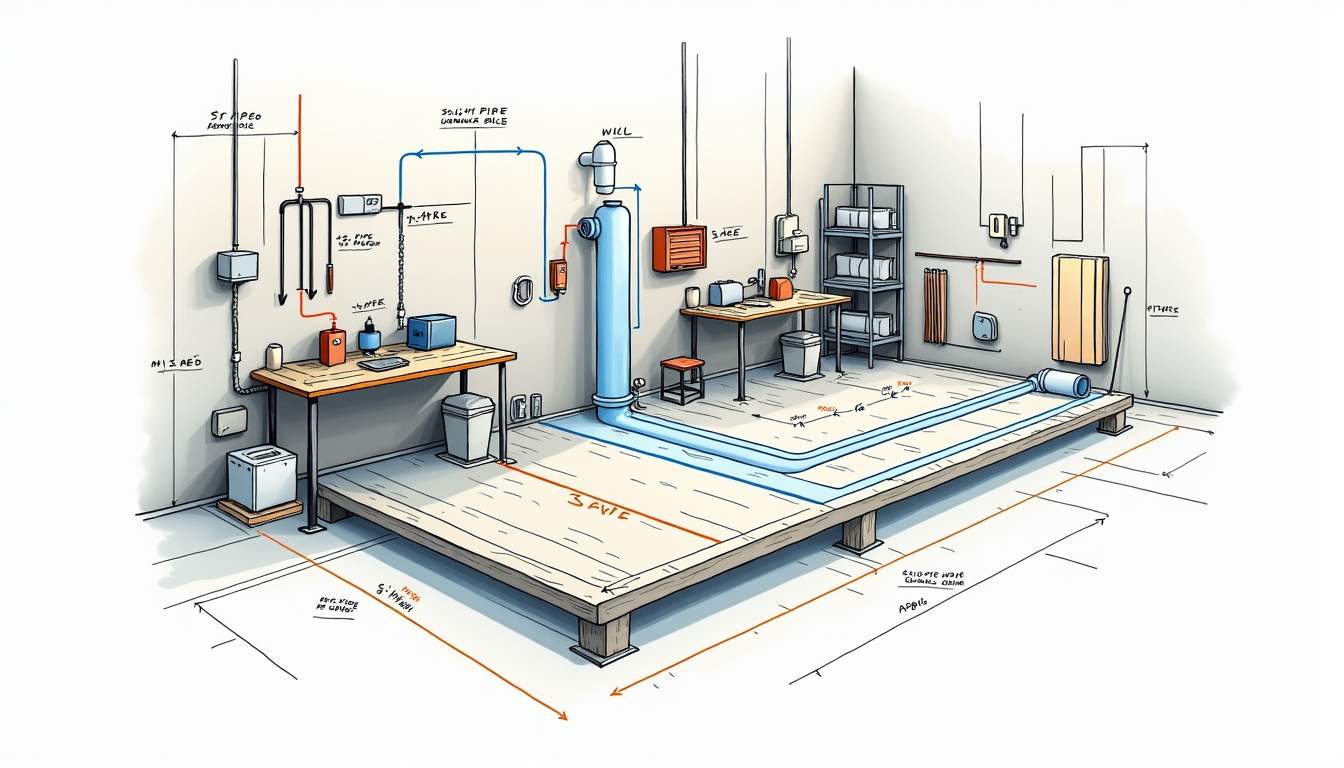
Each AC unit requires specific pipe diameters for the liquid and suction lines, which are usually specified by the manufacturer. Using pipes that are too narrow can restrict refrigerant flow, reducing cooling efficiency and potentially causing compressor damage. Conversely, pipes that are too large may lead to refrigerant pooling and inefficient operation. The balance between these two extremes is crucial, as it ensures that the refrigerant can move freely throughout the system while maintaining optimal pressure levels.
Always refer to the manufacturer’s guidelines or consult with an HVAC professional to determine the correct pipe sizes for your system’s capacity and length. Additionally, factors such as the ambient temperature and the length of the piping run can influence the required diameter. For instance, longer runs may necessitate larger pipes to counteract the pressure drop that occurs over distance, ensuring that the refrigerant reaches its destination effectively.
Planning the Pipe Route
When planning the piping route, aim for the shortest and most direct path between the indoor and outdoor units. This minimizes pressure drops and refrigerant loss. Avoid sharp bends and excessive elbows, as these can create resistance and increase the risk of leaks. Each bend in the piping system can contribute to turbulence, which not only affects efficiency but can also lead to wear and tear over time.
Additionally, consider accessibility for future maintenance and repairs. Pipes should be installed in locations where they can be easily inspected and serviced without dismantling large portions of the system. This foresight can save time and money in the long run, as technicians will have the ability to quickly identify and address issues as they arise. Furthermore, incorporating insulation around the pipes can help maintain the temperature of the refrigerant, reducing energy loss and enhancing overall system performance. Proper insulation also protects the pipes from external elements, contributing to their longevity and reliability.
Ensuring Proper Insulation and Protection
Insulation plays a vital role in preventing energy loss and condensation on AC pipes. Properly insulated pipes maintain the refrigerant’s temperature and protect surrounding structures from moisture damage. This is particularly important in climates with extreme temperature fluctuations, where the risk of condensation increases significantly. By investing in high-quality insulation, homeowners can not only enhance the efficiency of their cooling systems but also extend the lifespan of their HVAC equipment.
Choosing the Right Insulation Material
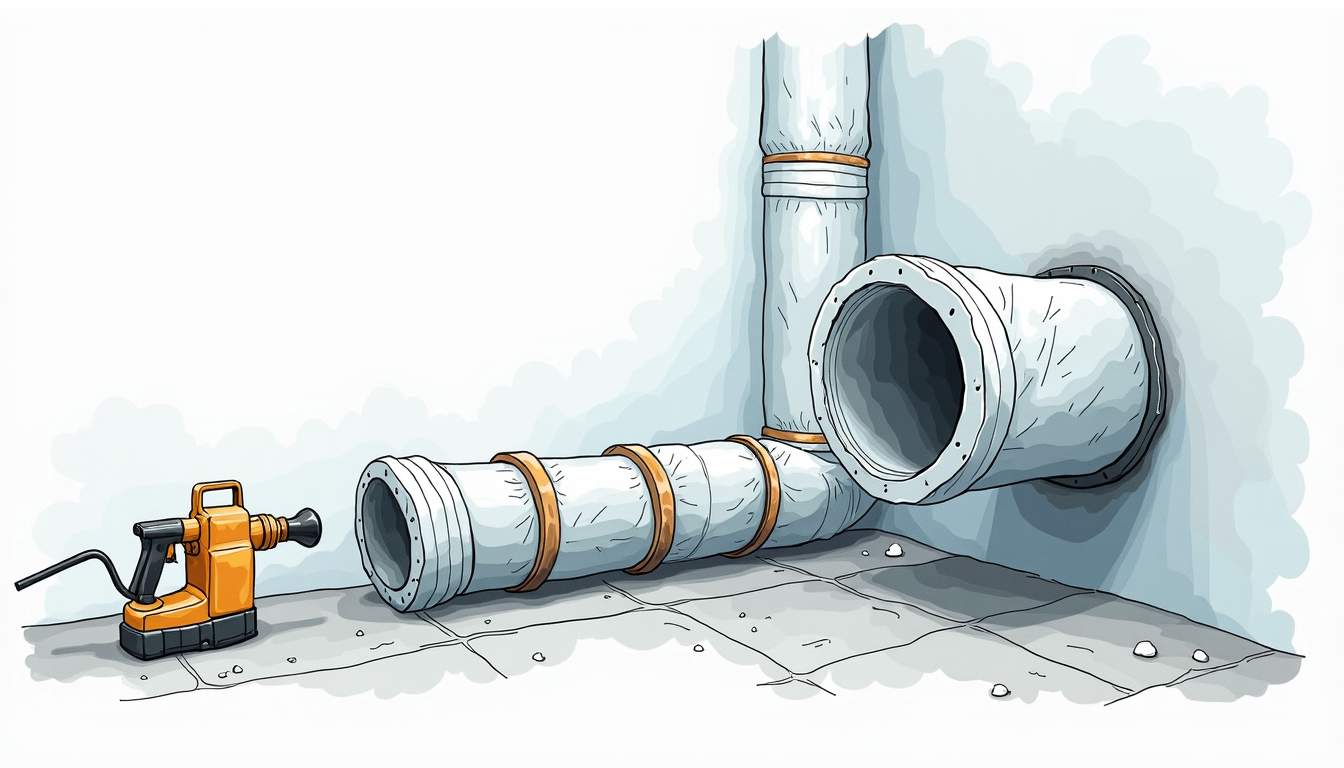
Foam rubber or polyethylene insulation sleeves are commonly used for AC piping. These materials provide excellent thermal resistance and are easy to install. The insulation should fit snugly around the pipe without gaps or compression, which can reduce its effectiveness. When selecting insulation, consider the R-value, which measures thermal resistance; a higher R-value indicates better insulation performance. Additionally, some insulation materials are designed specifically for high-temperature applications, ensuring they can withstand the heat generated by the AC system without compromising their insulating properties.
For outdoor installations, consider insulation with UV protection to prevent degradation from sunlight exposure. Additionally, wrapping the insulation with a protective tape can enhance durability and weather resistance. It’s also worth noting that some insulation products come with antimicrobial properties, which can help prevent mold growth in humid environments, further safeguarding your home’s structural integrity.
Preventing Condensation and Water Damage
Condensation can form on the cold suction line if it is not properly insulated, leading to water dripping and potential damage to walls, ceilings, or flooring. To mitigate this, ensure all suction lines are fully covered with insulation and sealed at joints. Regular inspections of the insulation can help identify any wear and tear that may compromise its effectiveness, allowing for timely repairs or replacements. Furthermore, ensuring that the AC system is properly sized for the space it serves can also reduce the likelihood of condensation, as an oversized unit may cycle on and off too frequently, leading to temperature imbalances.
Installing a drip tray or drainage system beneath the piping can also help manage any condensation that does occur, protecting your property from moisture-related issues. This drainage system should be regularly checked to ensure it is free from blockages, which can lead to overflow and further water damage. Additionally, incorporating a dehumidifier in areas prone to high humidity can complement your insulation efforts, creating a more comfortable and moisture-controlled environment in your home.
Leak Prevention and Pressure Testing
Leaks in AC piping not only reduce system efficiency but can also release harmful refrigerants into the environment. Proper sealing and testing are essential steps in any installation.
Using Quality Fittings and Sealants
All pipe connections should be made using high-quality flare fittings or brazed joints. Brazing with silver solder provides a strong, leak-proof seal that is preferred for permanent installations. Avoid using compression fittings unless specified by the manufacturer, as they may be less reliable over time.
When brazing, ensure the pipes are clean and free of oxidation before applying heat. Proper technique and adequate ventilation are critical to achieving a durable joint.
Performing Pressure and Leak Tests
After installation, conduct a pressure test using nitrogen gas to check for leaks. Pressurize the system to the manufacturer’s recommended level and monitor for pressure drops over a set period. Any loss of pressure indicates a leak that must be located and repaired.
Leak detection can also be performed using electronic leak detectors or soapy water applied to joints. Addressing leaks before charging the system with refrigerant prevents costly damage and environmental harm.
Additional Tips for Long-Term Durability
Beyond the core installation steps, several additional practices can enhance the durability and performance of your AC piping system.
Secure Piping to Prevent Movement
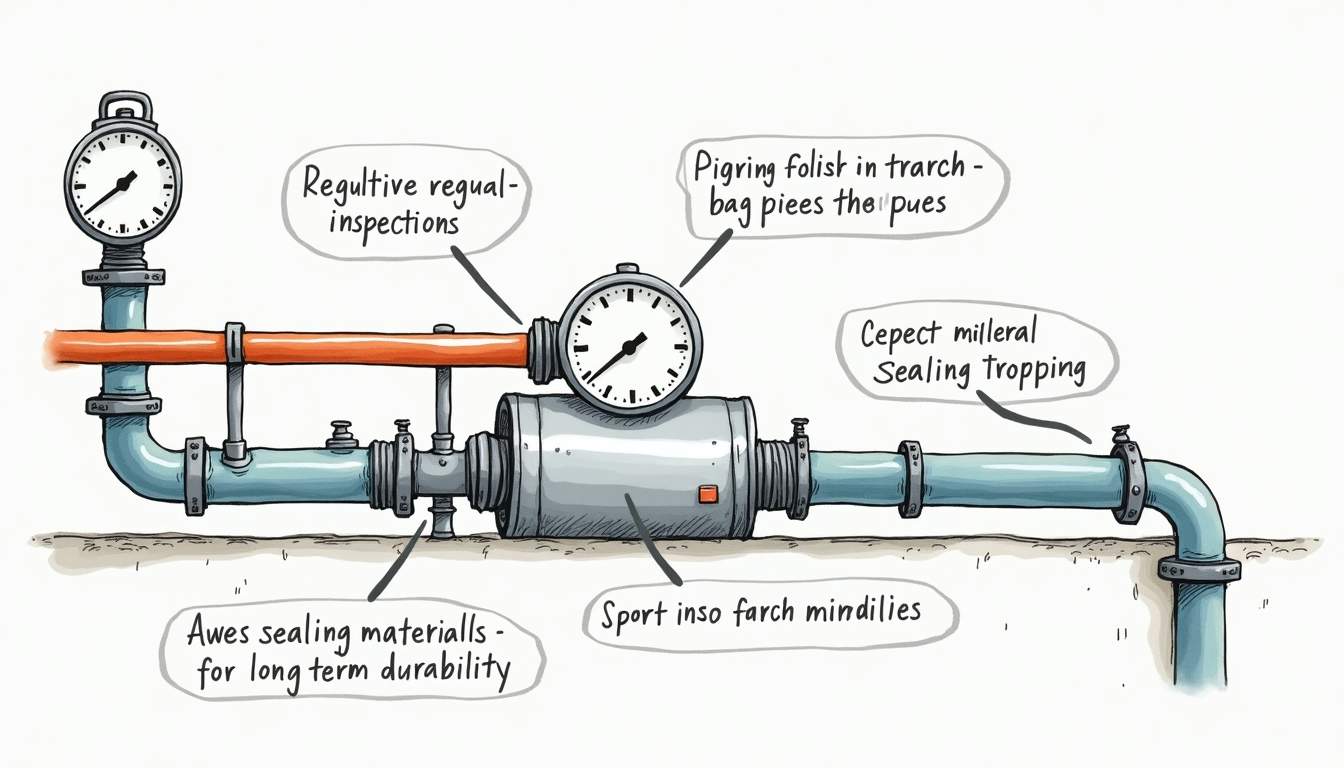
Use proper clamps and brackets to secure pipes along their route. Movement caused by vibrations or thermal expansion can weaken joints and lead to leaks. Ensure that clamps have rubber or cushioned inserts to avoid damaging the pipe surface.
Allow for Thermal Expansion
Refrigerant pipes expand and contract with temperature changes. Incorporate expansion loops or flexible sections in the piping layout to accommodate this movement without stressing the joints.
Regular Maintenance and Inspection
Even the best installation benefits from periodic checks. Inspect piping for signs of wear, corrosion, or insulation damage at least once a year. Promptly address any issues to maintain system efficiency and prevent unexpected failures.
Conclusion
Durable AC piping installation is a blend of using the right materials, precise planning, careful workmanship, and ongoing maintenance. By selecting quality copper pipes, sizing them correctly, insulating thoroughly, and ensuring leak-free joints, you set the foundation for a reliable and efficient air conditioning system.
Following these essential tips not only extends the life of your AC unit but also enhances comfort and energy savings. Whether installing a new system or upgrading an existing one, investing time and effort into proper piping installation pays off in long-term performance and peace of mind.


Leave a Reply