

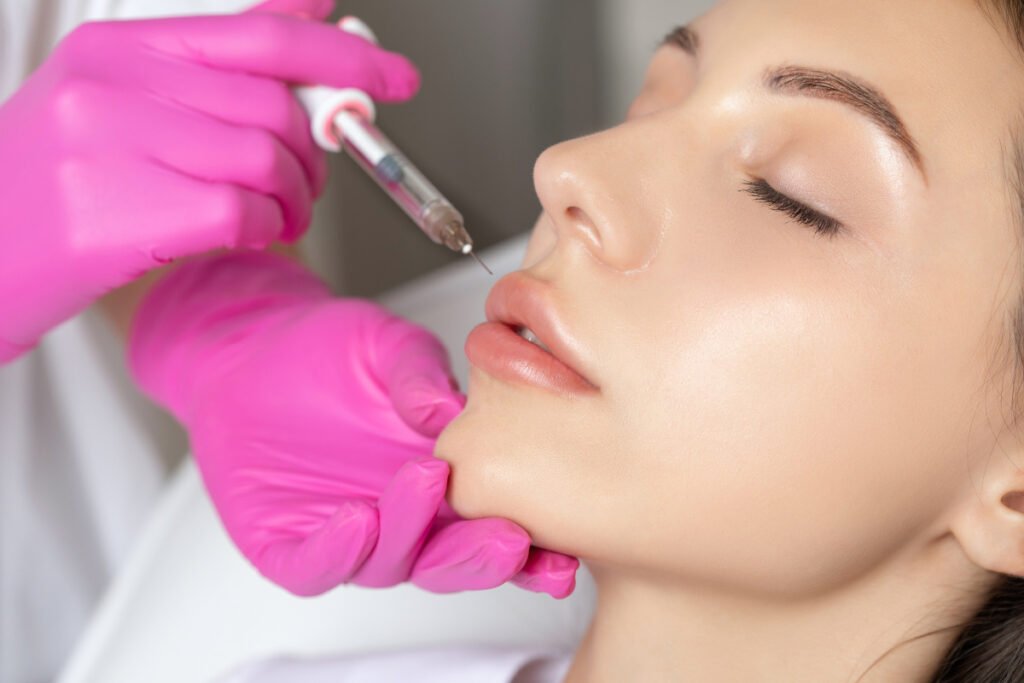
Cosmetic treatments have come a long way over the past decade. What was once seen as an indulgence for the rich and famous has now evolved into a mainstream practice, accessible to people from all walks of life. The growth of the cosmetic treatment industry is a testament to the advancements in science and technology that have allowed for more effective, less invasive, and safer procedures. One of the leading innovations in this realm has been botox injections, which have significantly shaped the way we view cosmetic enhancements today. However, Botox is just one part of a much larger transformation in the cosmetic treatment landscape.
The Rise of Botox Injections
Botox injections, widely known for their ability to smooth wrinkles and reduce the signs of aging, have revolutionized the world of aesthetic treatments. Over the last decade, Botox has grown in popularity due to its minimally invasive nature and quick recovery time. It is no longer reserved for the celebrity elite but has become a mainstream option for individuals seeking to maintain a youthful appearance without the need for extensive surgery.
The procedure involves the injection of botulinum toxin into the muscles responsible for wrinkles, temporarily paralyzing them and smoothing the skin. As a result, Botox is an effective solution for addressing forehead lines, crow’s feet, frown lines, and even more complex issues like hyperhidrosis (excessive sweating). Botox’s ability to deliver impressive results with little to no downtime has made it one of the most sought-after cosmetic treatments.
The Development of Non-Surgical Alternatives
While Botox injections may have kicked off the trend toward non-surgical treatments, the last decade has seen a proliferation of alternatives that provide equally effective solutions. Non-surgical facelifts, dermal fillers, and even cryolipolysis (fat freezing) have emerged as popular treatments in the aesthetic industry. These alternatives to traditional surgery have made cosmetic enhancements more accessible, less risky, and more affordable.
Dermal fillers, such as hyaluronic acid-based products, are now commonly used to restore volume in the face, enhance lip contours, and fill in deeper wrinkles. These products are injected into targeted areas and help to create a plumper, more youthful appearance. In contrast to Botox, which relaxes muscles, dermal fillers focus on adding structure and volume to areas that may have lost fullness due to aging.
Furthermore, fat-freezing procedures like CoolSculpting have gained traction as a non-invasive method for reducing stubborn fat without surgery. CoolSculpting works by applying controlled cooling to fat cells, which causes them to crystallize and break down. This method has become a favorite among people looking to contour their bodies without going under the knife.
Advancements in Laser Technology
Laser technology has made significant strides in the last decade, offering a variety of cosmetic treatments that address everything from skin resurfacing to hair removal. Lasers are now more precise and effective than ever before, providing patients with less discomfort and faster recovery times. Laser treatments like fractional CO2 laser resurfacing are used to treat skin conditions such as acne scars, sun damage, and fine lines.
Additionally, laser hair removal has become an established procedure for those seeking to eliminate unwanted body hair. What was once seen as a long-term investment is now a short-term, effective option with minimal discomfort. Advances in laser technology have made these treatments quicker, more efficient, and less painful, resulting in a boom of patients choosing them over traditional methods like waxing or shaving.
The Shift Toward Preventative Aesthetic Treatments
A noticeable shift has occurred in the cosmetic treatment industry over the past decade, with more individuals opting for preventative treatments at a younger age. Botox, for instance, is no longer reserved for those in their 40s and 50s but is increasingly being sought out by younger people in their 20s and 30s. The idea behind these treatments is to prevent the formation of deep wrinkles and fine lines rather than wait until they become prominent.
This shift has led to the rise of the “preventative Botox” trend, with people seeking treatments as a way to delay the natural aging process. Rather than waiting until wrinkles are already visible, younger individuals are choosing to get Botox injections preemptively to maintain their youthful appearance over time. This approach has expanded the reach of Botox and other cosmetic procedures to a broader demographic, changing the cultural perception of cosmetic enhancements as purely corrective to a more proactive and preventative approach.
The Role of Technology and Artificial Intelligence
As with many industries, the cosmetic treatment sector has not been immune to the influence of technology and artificial intelligence (AI). The past decade has seen the emergence of AI-powered tools that help practitioners assess and personalize treatments for their clients. These technologies analyze facial features and skin conditions in order to recommend the most suitable treatments. AI can also be used in the creation of more precise injections or treatments, minimizing human error and ensuring that patients receive the best possible results.
In addition, virtual consultations have become more common, allowing patients to discuss their cosmetic goals with professionals without having to visit a clinic in person. This has made it easier for people to explore their options and make more informed decisions. With these innovations, technology is helping to improve the quality and accessibility of cosmetic treatments, making them safer and more efficient.
Looking Ahead: The Future of Cosmetic Treatments
The future of cosmetic treatments looks incredibly promising, with ongoing research and innovation expected to bring about even more advancements in the next decade. From stem cell therapies to the potential of gene editing, the possibilities seem endless. There is also a growing focus on sustainability and reducing the environmental impact of cosmetic procedures, with a push toward eco-friendly products and treatments that minimize waste.
As for Botox, it will likely continue to be a cornerstone of non-surgical aesthetic treatments. However, new and innovative treatments may emerge that offer longer-lasting results, fewer side effects, and even more natural-looking outcomes. Whatever the future holds, one thing is certain: the world of cosmetic enhancements is continually evolving, and the next decade will bring even more exciting breakthroughs to help individuals look and feel their best.
In conclusion, Botox and other non-surgical treatments have completely transformed the way people approach cosmetic enhancements. What was once seen as a niche industry has evolved into a highly accessible and rapidly growing sector, thanks to advances in technology, a broader range of treatment options, and a shift in consumer attitudes. With even more innovations on the horizon, it is clear that the future of cosmetic treatments will continue to be shaped by progress, personalization, and greater accessibility for all.


Leave a Reply