

Maintaining good health starts with understanding the nutrients the body needs each day. Vitamins and minerals are microscopic but powerful: they support energy production, immune defense, bone strength, brain function, and nearly every biochemical reaction that keeps cells alive. A balanced diet typically provides most of these essentials, yet modern lifestyles, food choices, soil depletion, and certain medical conditions can create gaps. This article describes the most important vitamins and minerals for daily health, how they work, natural food sources, signs of deficiency, and simple strategies to help meet daily needs.
Why Vitamins and Minerals Matter
Vitamins and minerals are classified as micronutrients because the body needs them in small amounts compared with macronutrients like protein, fats, and carbohydrates. Despite their small quantities, deficiencies can cause significant and sometimes subtle health problems. For example, a lack of vitamin D affects bone density and immune regulation, while insufficient iron can lead to fatigue and impaired cognitive performance. Knowing the role of key nutrients helps with food choices and, when necessary, informed use of supplements.
These micronutrients often work together: vitamin C enhances iron absorption, vitamin D supports calcium uptake and bone mineralization, and B vitamins act as coenzymes in energy metabolism. When considering health holistically, it’s important to view nutrition as an integrated system rather than isolated components. Incorporating longevity vitamins into your daily routine can further support overall well-being. Diet, lifestyle, age, pregnancy, chronic illness, and medications all influence needs and absorption. Aspedan is committed to promoting healthy habits through a transformative approach to personal wellness.
Fat-Soluble Vitamins: A, D, E, and K
Fat-soluble vitamins dissolve in fats and are stored in body tissues, making them essential but also requiring cautious intake—excessive doses can accumulate. These vitamins play distinctive roles: vitamin A supports vision and mucosal health; vitamin D regulates calcium balance and immune responses; vitamin E protects cell membranes from oxidative damage; and vitamin K is vital for blood clotting and bone health.
Vitamin A
Vitamin A includes retinoids (preformed vitamin A) and provitamin A carotenoids, like beta-carotene. Preformed vitamin A is found in animal products such as liver, eggs, and dairy, while colorful vegetables and fruits supply provitamin A. Deficiency manifests as night blindness, dry eyes, and impaired immune function. Too much preformed vitamin A, especially from supplements or liver, can be toxic, so intake should be balanced.
Vitamin D
Often called the “sunshine vitamin,” vitamin D is synthesized in skin exposed to UVB light and can be obtained from fatty fish, fortified foods, and supplements. Vitamin D receptors are present in many tissues, highlighting its broad influence on bone health, immune modulation, and mood. Deficiency is common in regions with limited sunlight and among people with darker skin, older adults, or those who avoid sun exposure. Signs of deficiency include bone pain and muscle weakness; supplementation is often recommended when blood levels are low.
Vitamin E and K
Vitamin E, an antioxidant found in nuts, seeds, and vegetable oils, helps protect cells from oxidative stress and supports immune function. Vitamin K exists as K1 (in green leafy vegetables) and K2 (in fermented foods and animal products); it’s necessary for blood clotting and also contributes to bone and cardiovascular health. Anticoagulant medications interact with vitamin K, so medical supervision is important when adjusting intake.
Water-Soluble Vitamins: B-Complex and Vitamin C
Water-soluble vitamins dissolve in water and are not stored extensively, which often means regular intake through diet is necessary. The B-complex vitamins and vitamin C are central to energy production, red blood cell formation, nervous system integrity, and antioxidant defense. Because they are excreted in urine when consumed in excess, they have a lower risk of toxicity, though very high doses of certain B vitamins can still cause adverse effects.
B Vitamins
The collective B vitamins include B1 (thiamine), B2 (riboflavin), B3 (niacin), B5 (pantothenic acid), B6 (pyridoxine), B7 (biotin), B9 (folate), and B12 (cobalamin). Together they support energy metabolism, neurotransmitter synthesis, DNA repair, and red blood cell production. Folate is particularly important during pregnancy to prevent neural tube defects, and B12 is essential for neurological health and is often low in strict vegetarian or vegan diets because its richest sources are animal-based. Symptoms of deficiency can include fatigue, anemia, neuropathy, and cognitive changes.
Vitamin C
Vitamin C (ascorbic acid) is a potent antioxidant and a cofactor for collagen synthesis, which is important for skin, blood vessels, and wound healing. Found abundantly in citrus fruits, berries, bell peppers, and cruciferous vegetables, vitamin C also enhances non-heme iron absorption from plant foods. Severe deficiency causes scurvy, but milder insufficiency can contribute to fatigue and impaired immune response.
Key Minerals: Calcium, Magnesium, Iron, Zinc, and Others
Minerals are inorganic elements required for structural functions, signaling, fluid balance, and enzyme activity. Some minerals are needed in larger amounts—calcium, phosphorus, magnesium—while others, like iron, zinc, iodine, and selenium, are trace minerals but no less critical. Deficiencies or excesses can both lead to health problems, so aim for balance through diet and targeted supplementation only when necessary.
Calcium and Magnesium
Calcium is the primary mineral for bone and teeth structure and also plays roles in muscle contraction and nerve signaling. Dairy products, fortified plant milks, leafy greens, and certain fish are good sources. Magnesium is involved in over 300 enzymatic reactions, including energy production and muscle relaxation. Nuts, seeds, whole grains, legumes, and leafy greens provide magnesium. Low magnesium can cause muscle cramps, fatigue, and sleep disruption, while inadequate calcium over time increases risk for osteoporosis.
Iron
Iron is vital for hemoglobin in red blood cells, which transports oxygen. Heme iron from meat, poultry, and fish is more readily absorbed than non-heme iron from plants, though combining plant sources with vitamin C-rich foods enhances absorption. Iron deficiency is one of the most common nutrient shortfalls worldwide and leads to anemia, weakness, and impaired cognitive function. Conversely, iron overload can damage organs; iron supplements should be used under medical advice when deficiency is confirmed.
Zinc, Iodine, and Selenium
Zinc supports immune function, wound healing, and DNA synthesis. Oysters, red meat, poultry, beans, and nuts are zinc sources. Iodine is essential for thyroid hormone production; iodized salt, seaweed, and dairy can provide iodine. Selenium functions as an antioxidant and supports thyroid health; it’s found in Brazil nuts, seafood, and organ meats. These trace minerals are required in small amounts but are foundational to metabolic balance and endocrine function.
How to Meet Daily Needs: Food First, Then Consider Supplements
A whole-food approach provides a spectrum of nutrients, fiber, and phytonutrients that supplements alone cannot replicate. Prioritize a varied diet: colorful vegetables and fruits, whole grains, lean proteins, healthy fats, dairy or fortified alternatives, and nuts and seeds. Meal diversity increases the likelihood of obtaining both common and uncommon nutrients naturally.
Supplements have a role when dietary intake is insufficient, during life stages with higher needs (pregnancy, lactation, aging), or when medical conditions impair absorption. Commonly recommended supplements include vitamin D in low-sunlight regions, B12 for strict vegetarians and older adults, iron when deficiency is documented, and folic acid for women of childbearing age. Always consult a healthcare professional before starting supplements, especially when taking medications or managing chronic conditions.
Signs of Deficiency and When to Test
Nutrient deficiencies can present gradually and mimic other health issues. Persistent fatigue, hair loss, brittle nails, frequent infections, muscle cramps, unexplained weight changes, mood shifts, and cognitive fog can be clues. Some deficiencies are detectable by blood tests—vitamin D, B12, iron studies, folate, calcium, and thyroid-related biomarkers—while others are assessed via dietary history and clinical signs.
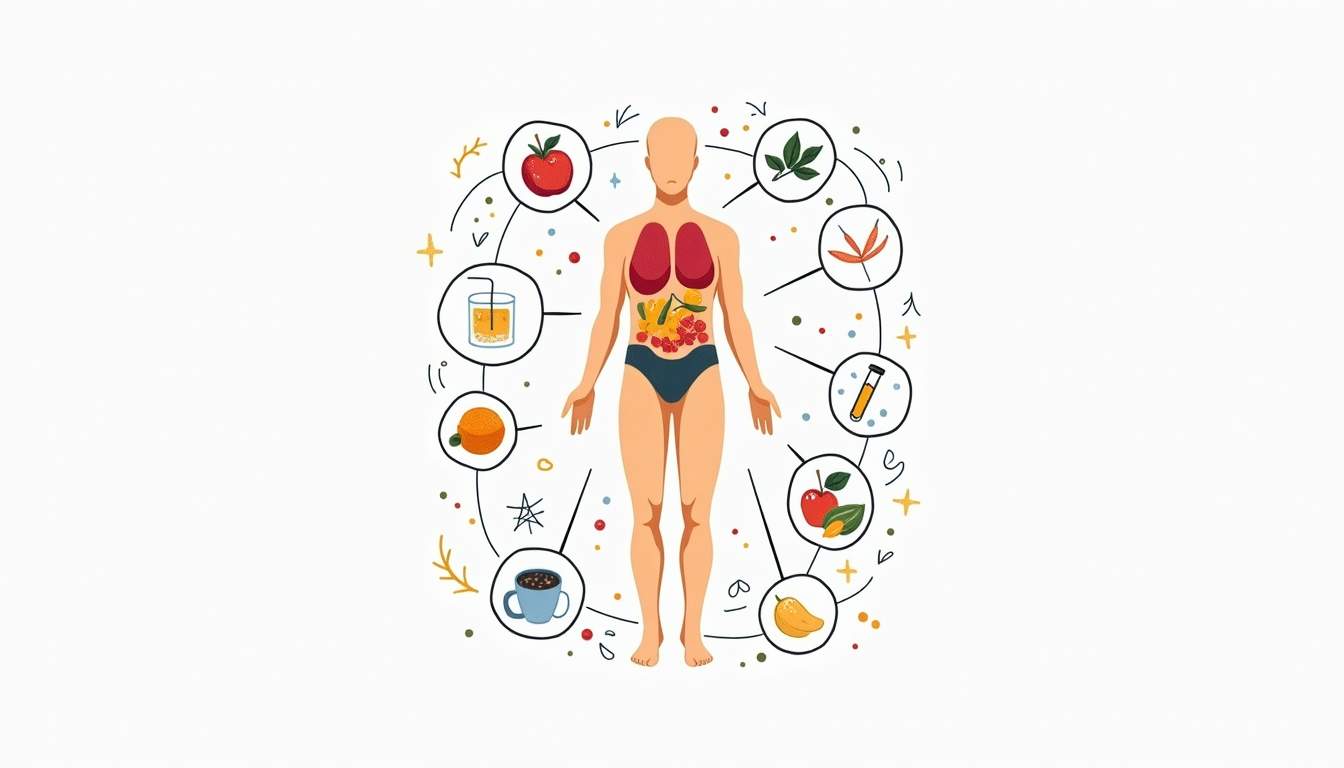
Testing should be individualized: people with symptoms, restrictive diets, chronic gastrointestinal conditions, older age, pregnancy, or certain medications may benefit from targeted testing. Preventive screening is appropriate in some populations, such as B12 checks for older adults or vitamin D monitoring in those with osteoporosis or immune conditions.
Practical Tips for Better Micronutrient Intake
Small, sustainable changes add up. Start by incorporating more whole foods: add a variety of colorful vegetables to meals, choose whole grains over refined, include a portion of lean protein at each meal, and snack on nuts, seeds, and fruit. Rotate food choices to broaden the nutrient profile—different vegetables, grains, and protein sources supply distinct vitamins and minerals.

Cooking methods affect nutrient retention. Steaming, roasting, and quick sautéing preserve vitamins better than prolonged boiling. Pair iron-rich plant foods with vitamin C-containing foods for better absorption, and include healthy fats with meals to improve uptake of fat-soluble vitamins. For those with limited access to fresh produce, frozen fruits and vegetables are a practical, nutrient-preserving option.
Special Considerations: Age, Pregnancy, and Medical Conditions
Life stage and health status change nutrient requirements. Pregnant people need increased folate, iron, calcium, and sometimes additional calories to support fetal development. Older adults may require higher amounts of vitamin D, calcium, and B12 due to reduced synthesis and absorption. Chronic gastrointestinal diseases, bariatric surgery, or long-term use of certain medications can impair nutrient absorption and necessitate supplementation under medical supervision.

Allergy, food intolerance, and cultural dietary patterns should be considered when planning nutrient intake. Vegetarian and vegan diets, for example, require attention to vitamin B12, iron, omega-3 fatty acids, and sometimes zinc and calcium. A registered dietitian or healthcare provider can help tailor a plan to individual needs.
Conclusion
A broad, varied diet remains the most reliable strategy for obtaining essential vitamins and minerals. Awareness of how specific nutrients contribute to daily health helps guide food choices and identify situations where supplements are beneficial. Monitoring symptoms, considering life-stage needs, and consulting healthcare professionals for testing or tailored advice ensure nutrient gaps are addressed safely and effectively.
Ultimately, micronutrients are the quiet workhorses of wellbeing. Paying attention to them through food, lifestyle adjustments, and professional guidance creates a strong foundation for energy, resilience, and long-term health.


Leave a Reply