

Ever taken a sip of ice-cold water or a bite of something hot and suddenly winced because your tooth felt like it was sending a sharp signal straight to your brain? If you’ve recently had a dental filling, that sudden jolt of sensitivity might be more common than you think. But why does it happen? And when should you be concerned?
Why Does Tooth Sensitivity Happen After a Filling?
Getting a filling involves removing decayed parts of the tooth and restoring its shape with a material like composite resin or amalgam. While this process is meant to fix pain and prevent further decay, it can sometimes cause temporary sensitivity. This happens because the tooth’s nerve endings are reacting to the procedure.
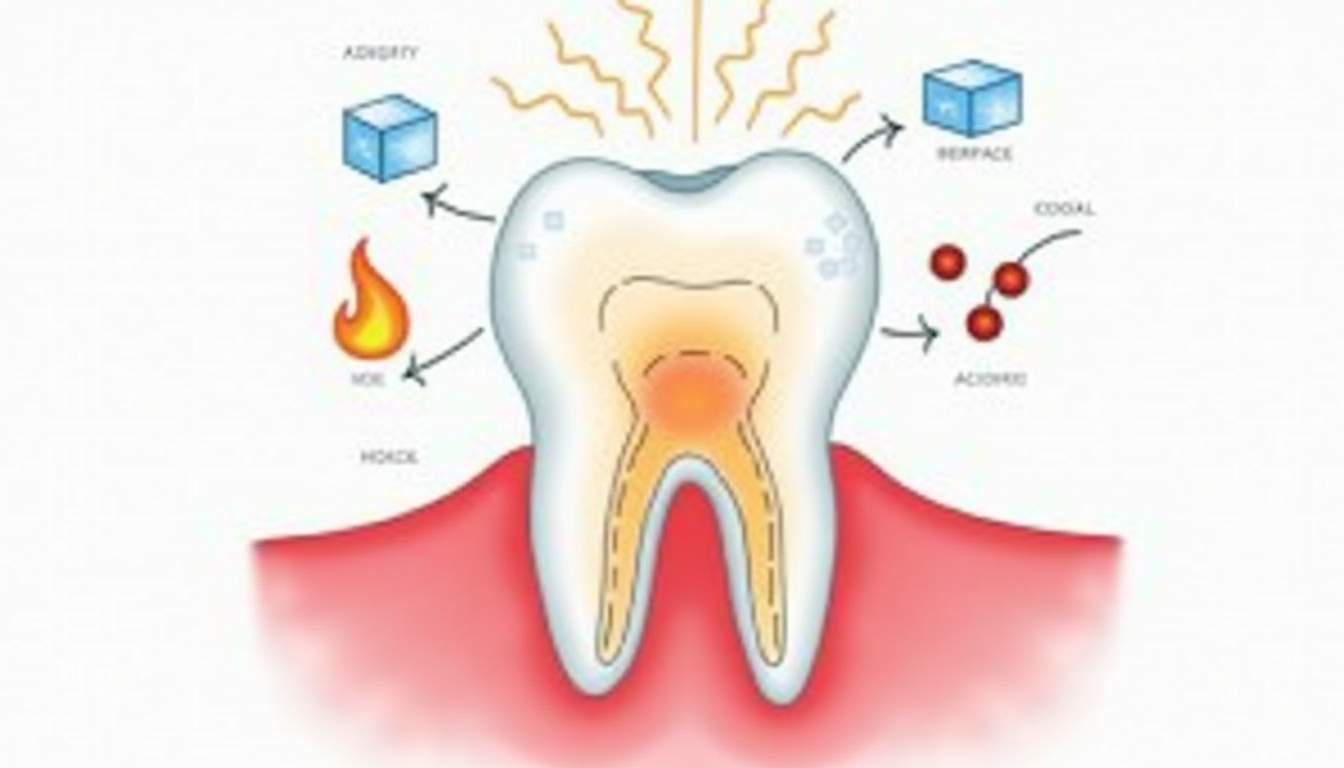
When the dentist drills into your tooth, it can irritate the dentin—the layer beneath the enamel that contains tiny tubules leading to the nerve. These tubules act like pathways, and when they’re exposed or disturbed, hot, cold, sweet, or even pressure stimuli can trigger sharp sensations. The filling material itself can also react with the tooth, especially if it’s metal-based, causing mild sensitivity.
Types of Sensitivity You Might Experience
Not all sensitivity feels the same. Some common types include:
- Temperature Sensitivity: Sharp pain when eating or drinking something hot, cold, or sweet.
- Pressure Sensitivity: Discomfort or pain when biting down or chewing.
- Spontaneous Sensitivity: Occasional, random tooth pain without any clear trigger.
Understanding the type of sensitivity can help determine whether it’s a normal part of healing or a sign of something more serious.
In addition to these types of sensitivity, the duration of discomfort can vary significantly from person to person. Some individuals may only experience sensitivity for a few days, while others might find it lingering for weeks. Factors such as the extent of the decay, the type of filling material used, and individual pain thresholds can all contribute to this variability. For instance, those with deeper cavities may have more extensive nerve exposure, leading to heightened sensitivity post-filling.
Moreover, it’s essential to consider that tooth sensitivity can also be influenced by oral hygiene practices following the procedure. If a patient is not gentle while brushing or using mouthwash, they might inadvertently irritate the area around the filling. Dentists often recommend using a soft-bristled toothbrush and avoiding overly abrasive toothpaste during the healing period to minimize discomfort. Additionally, it’s wise to steer clear of extremely hot or cold foods and beverages until the sensitivity subsides, as this can help in managing the discomfort effectively. For proper dental care and treatments, you can visit Indental Castle Hill.
How Long Should Sensitivity Last After a Filling?
Most people notice some sensitivity after a filling, but it usually fades within a few days to a couple of weeks. This is because the tooth is adjusting to the new filling and the nerve endings are calming down. If you’re experiencing mild sensitivity that disappears quickly, it’s generally nothing to worry about.
However, if sensitivity lingers beyond three weeks or worsens over time, it could indicate an underlying problem. Persistent sensitivity might mean the filling is too high, causing excess pressure when you bite, or there could be an issue with the tooth’s nerve. In some cases, the filling material itself may not be compatible with your tooth structure, leading to prolonged discomfort. This is why it’s crucial to communicate any ongoing issues with your dentist, who can assess the situation and recommend appropriate solutions.
When to Expect Improvement
Immediately after the filling, sensitivity might be at its peak. Over the next several days, the discomfort should gradually decrease. By the two-week mark, most patients report feeling back to normal or close to it. If the sensitivity is gone by then, it’s a good sign your tooth is healing well. During this time, it’s advisable to avoid extremely hot or cold foods and beverages, as they can exacerbate sensitivity. Instead, consider sticking to lukewarm or room temperature options to help ease the transition for your tooth.
Signs Sensitivity Isn’t Normal
Watch out for these red flags:
- Pain that intensifies instead of subsiding.
- Sharp pain that lasts for several minutes after eating or drinking.
- Swelling or tenderness around the tooth or gums.
- Discoloration of the tooth or gum tissue near the filling.
If any of these occur, it’s time to check in with your dentist. Additionally, if you notice that the sensitivity is triggered by specific foods or activities, such as chewing or flossing, this could indicate a more serious issue that requires immediate attention. Your dentist may perform diagnostic tests, including X-rays, to determine if there are any complications beneath the surface. It’s always better to err on the side of caution when it comes to dental health, as early intervention can prevent more significant problems down the line.
Common Causes of Persistent Sensitivity After a Filling
Several factors can contribute to ongoing sensitivity following a filling. Knowing these can help you understand what might be going on and what to expect next.
High Filling or Bite Issues
If the filling is slightly too tall, your teeth might hit unevenly when you bite down. This can cause pressure and pain that feels like sensitivity. Your jaw might also feel sore or tired. Dentists can easily adjust the filling height to relieve this discomfort. It’s essential to communicate any discomfort to your dentist promptly, as they can make the necessary adjustments to ensure your bite feels natural again. Ignoring this issue could lead to further complications, such as jaw misalignment or even temporomandibular joint (TMJ) disorders.
Microleakage Around the Filling
Sometimes, tiny gaps can form between the filling and the tooth. These gaps allow bacteria and fluids to seep in, irritating the nerve and causing sensitivity. This is known as microleakage and may require the filling to be replaced or repaired. Regular dental check-ups can help catch these issues early, as your dentist will be able to identify any signs of wear or deterioration around the filling. Additionally, maintaining good oral hygiene practices, such as brushing and flossing, can help minimize the risk of microleakage by keeping your teeth and gums healthy.
Inflammation of the Dental Pulp
The dental pulp is the innermost part of the tooth containing nerves and blood vessels. If the pulp becomes inflamed due to deep decay or trauma from the filling process, it can cause ongoing sensitivity or pain. This condition, called pulpitis, might resolve on its own or require further treatment like a root canal. It’s important to be aware of other symptoms that might accompany pulpitis, such as swelling or prolonged pain when eating or drinking hot or cold substances. Early intervention can often lead to better outcomes and a quicker return to comfort.
Cracked Tooth or Filling
Sometimes, the tooth or filling can develop tiny cracks during or after the procedure. These cracks can expose the dentin or pulp, leading to sensitivity. Cracks might not always be visible but can cause significant discomfort. If you notice increased sensitivity or pain, it’s crucial to see your dentist for an evaluation. They may use specialized tools, such as a transillumination technique, to detect cracks that are not immediately apparent. Addressing these issues promptly can prevent further damage and the need for more extensive dental work down the line.
What You Can Do to Manage Sensitivity at Home
While mild sensitivity is usually temporary, there are practical steps to ease discomfort and protect your tooth as it heals.
Use a Desensitizing Toothpaste
Special toothpastes formulated for sensitive teeth contain compounds that block the tubules in the dentin, reducing nerve stimulation. Using these regularly can help lessen sensitivity over time.
Avoid Extreme Temperatures and Acidic Foods
Hot coffee, icy drinks, and acidic foods like citrus or soda can aggravate sensitive teeth. Try to avoid these triggers until your tooth feels better.
Stick to Gentle Brushing
Use a soft-bristled toothbrush and avoid aggressive brushing near the filled tooth. This helps prevent further irritation and protects the filling.
Over-the-Counter Pain Relief
If sensitivity causes discomfort, over-the-counter painkillers like ibuprofen can help reduce inflammation and ease pain. Always follow the recommended dosage.
When to See Your Dentist Again
It’s important not to ignore persistent or worsening sensitivity. Your dentist can evaluate the filling, check your bite, and determine if further treatment is needed.

What Your Dentist Might Do
During a follow-up visit, your dentist will:
- Check the filling for height and fit.
- Examine the tooth for cracks or decay.
- Take X-rays to assess the health of the tooth’s pulp and surrounding bone.
- Recommend treatments such as adjusting the filling, replacing it, or performing a root canal if necessary.
Don’t Wait Too Long
Delaying a dental checkup when you have ongoing sensitivity can lead to bigger problems. Early intervention often means simpler, less invasive treatments.
Preventing Sensitivity After Future Fillings
While some sensitivity is normal, there are ways to minimize it before and after dental work.
Communicate With Your Dentist
Tell your dentist if you have a history of sensitive teeth or if you experience discomfort during the procedure. They can take extra care to protect your tooth’s nerve and select the best filling material.
Choose the Right Filling Material
Some materials are gentler on the tooth and less likely to cause sensitivity. Composite resins, for example, bond well to the tooth and can be less irritating than metal fillings.
Maintain Good Oral Hygiene
Keeping your teeth clean and healthy reduces the risk of decay and the need for extensive fillings. Brushing twice a day, flossing daily, and regular dental visits are key.
Use Fluoride Treatments
Fluoride strengthens enamel and can help reduce sensitivity. Your dentist might recommend fluoride varnishes or gels, especially if you’re prone to sensitivity.
Final Thoughts
Tooth sensitivity after a filling is a common experience. It’s usually a sign that your tooth is healing and adjusting to the new restoration. Mild sensitivity that fades within a couple of weeks is typically nothing to worry about.
However, if the sensitivity persists, worsens, or comes with other symptoms like swelling or severe pain, it’s important to see your dentist. Early diagnosis and treatment can prevent more serious problems down the road.
Taking care of your teeth and working closely with your dental professional can keep your smile comfortable and healthy long after your filling is placed.


Leave a Reply