

Gate locks are essential components of home and property security, providing peace of mind by keeping unwanted visitors out. However, exposure to the elements can cause gate locks to rust and corrode over time, compromising their functionality and lifespan. Rust and corrosion not only make locks difficult to operate but can also lead to costly replacements if neglected.
Proper maintenance is key to ensuring your gate locks remain in optimal condition for years to come. This comprehensive guide will explore practical tips and strategies for preventing rust and corrosion, helping you protect your investment and maintain smooth, reliable gate lock operation.
Understanding Rust and Corrosion: What Causes It?
Before diving into maintenance tips, it’s important to understand what rust and corrosion are, and why gate locks are particularly vulnerable.
The Science Behind Rust
Rust is a type of corrosion that occurs when iron or steel reacts with oxygen and moisture. This chemical reaction forms iron oxide, the reddish-brown flaky substance commonly seen on metal surfaces. Rust weakens the metal by eating away at it, eventually causing structural damage if left untreated.
Gate locks made from iron or steel are especially susceptible to rust because they are often exposed to rain, humidity, and other environmental factors. Even stainless steel locks can corrode if protective coatings are damaged or if they are exposed to salty air, such as in coastal regions.
Interestingly, the rate at which rust forms can vary significantly based on environmental conditions. For instance, in areas with high humidity or frequent rainfall, rust can develop within a matter of weeks. Conversely, in dry climates, the process may take much longer. Temperature fluctuations can also play a role; rapid changes can cause condensation to form on metal surfaces, providing the moisture needed for rust to develop. Understanding these factors is crucial for homeowners and property managers looking to protect their investments for more information on effective rust prevention and maintenance, you can visit LockSmith Singapore website.
Other Forms of Corrosion
Corrosion is a broader term that refers to the gradual deterioration of metals due to chemical reactions with their environment. Aside from rust, corrosion can manifest as pitting, discoloration, or surface degradation. Factors such as acid rain, pollution, and salt can accelerate corrosion, making maintenance even more critical.
Moreover, different metals exhibit varying susceptibilities to corrosion. For example, aluminum can suffer from a form of corrosion known as galvanic corrosion when it comes into contact with dissimilar metals, leading to localized damage. This is particularly relevant in gate locks that may incorporate multiple metal components. Understanding the specific types of corrosion that can affect different materials is essential for selecting the right lock for your gates, especially in areas prone to harsh weather or industrial pollution. Regular inspections and appropriate material choices can significantly extend the lifespan of these critical security features.
Choosing the Right Gate Lock Materials
Prevention starts with selecting gate locks made from materials that resist rust and corrosion. While maintenance can help prolong the life of any lock, choosing the right materials gives you a head start.
Stainless Steel Locks
Stainless steel is an alloy containing chromium, which forms a protective oxide layer that prevents rust. These locks are highly resistant to corrosion and are ideal for outdoor use, especially in humid or coastal environments. Their sleek appearance also adds aesthetic value to gates. Additionally, stainless steel locks are often designed with advanced locking mechanisms that enhance security, making them a popular choice for both residential and commercial properties. The durability of stainless steel also means that these locks can withstand physical impacts and tampering, further ensuring the safety of your property.
Brass and Bronze Locks
Brass and bronze locks offer excellent resistance to corrosion and are often chosen for decorative gates. These metals develop a natural patina over time that protects the surface from further damage. While they may require occasional polishing to maintain shine, their durability makes them a solid choice for longevity. Furthermore, brass and bronze locks are known for their unique aesthetic appeal, often featuring intricate designs that can complement the overall style of your gate. The warm tones of these materials can enhance the charm of traditional architecture, making them a favored option for vintage or rustic homes.
Galvanized Steel Locks
Galvanized steel locks are coated with a layer of zinc, which acts as a sacrificial barrier against rust. This coating can wear off over time, so regular inspection and maintenance are necessary to ensure continued protection. In addition to their rust-resistant properties, galvanized steel locks are also highly durable, capable of withstanding harsh weather conditions and heavy usage. They are often used in industrial settings where security is paramount, as well as in residential applications where strength and reliability are required. The affordability of galvanized steel locks makes them an attractive option for budget-conscious consumers looking for effective security solutions without compromising on quality.
Regular Cleaning: The First Line of Defense
Keeping your gate lock clean is one of the simplest yet most effective ways to prevent rust and corrosion. Dirt, grime, and moisture trapped on the lock’s surface can accelerate deterioration if not removed regularly.
How to Clean Your Gate Lock
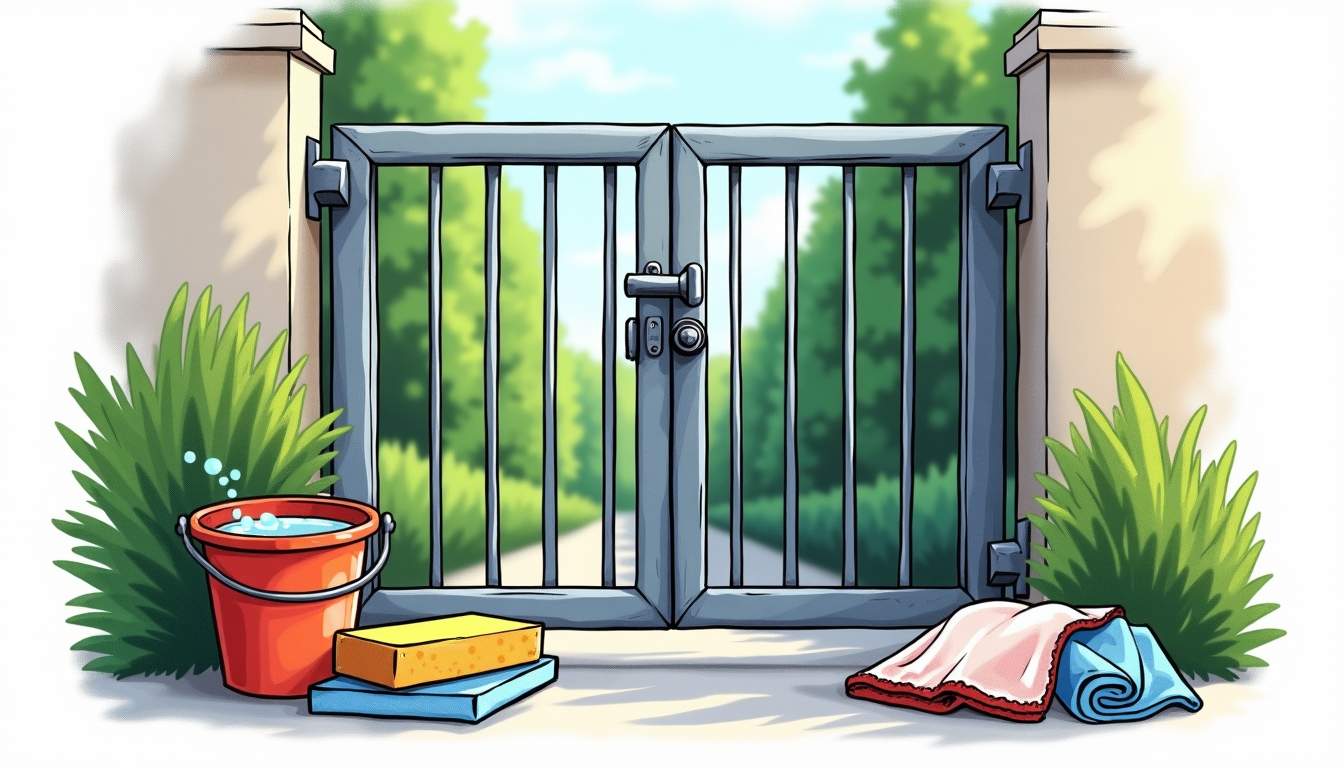
Start by wiping down the lock with a soft cloth to remove dust and loose debris. For more thorough cleaning, use a mild soap solution mixed with warm water. Avoid harsh chemicals or abrasive cleaners that can damage protective coatings.
Use a soft brush, such as an old toothbrush, to gently scrub hard-to-reach areas and crevices. After cleaning, rinse the lock with clean water and dry it thoroughly with a lint-free cloth to prevent moisture buildup.
Frequency of Cleaning
For gates exposed to harsh weather or coastal environments, cleaning once a month is recommended. In milder climates, cleaning every two to three months should suffice. Regular cleaning helps you spot early signs of rust or corrosion before they worsen.
Lubrication: Keeping Moving Parts Smooth
Proper lubrication is essential for maintaining the smooth operation of gate locks and preventing rust inside the mechanism. Dry or sticky locks are more prone to wear and corrosion.
Choosing the Right Lubricant
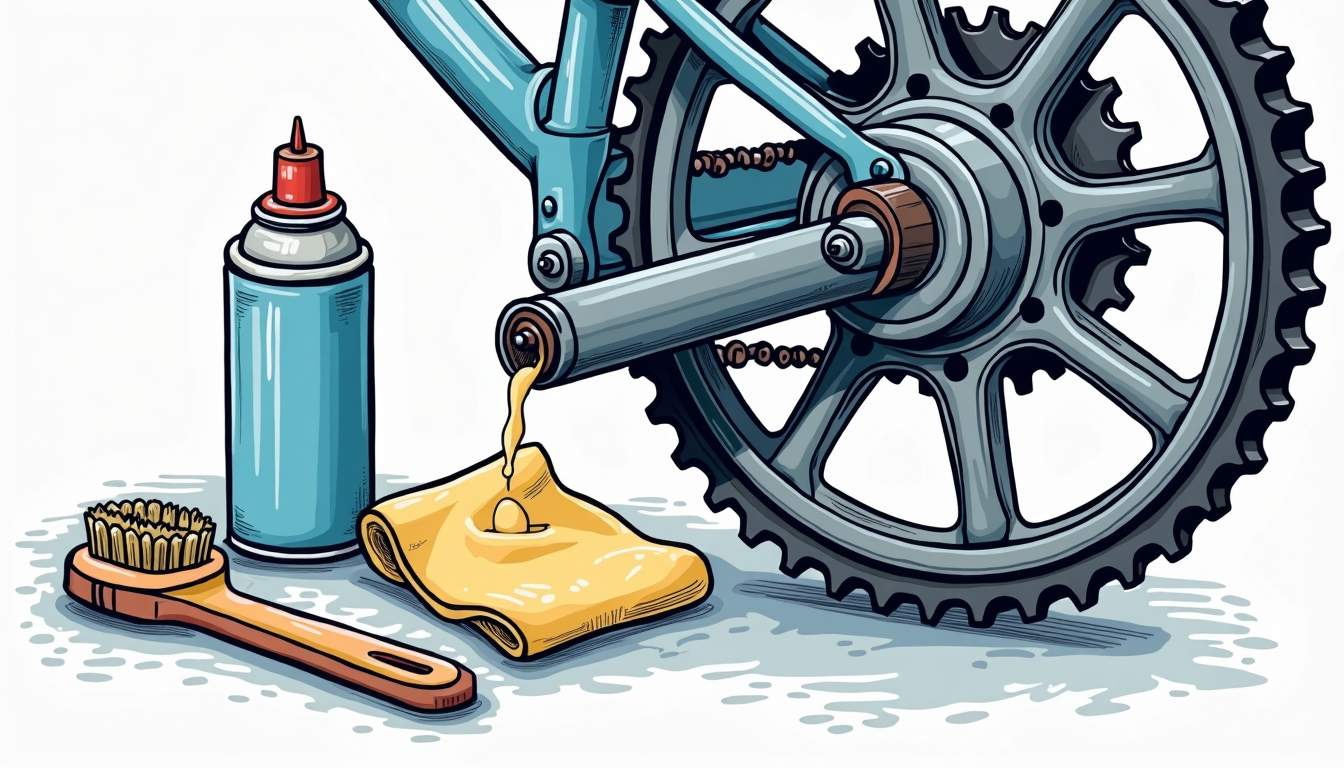
Use a lubricant specifically designed for locks, such as graphite powder or silicone-based sprays. These lubricants do not attract dust and dirt like oil-based products, which can gum up the lock over time.
How to Apply Lubricant
Insert the lubricant into the keyhole and moving parts of the lock. Insert and turn the key several times to distribute the lubricant evenly. Wipe away any excess to avoid attracting debris.
Lubricate your gate lock at least twice a year, or more frequently if you notice stiffness or difficulty turning the key.
Protective Coatings and Treatments
Applying protective coatings can add an extra layer of defense against moisture and corrosive elements.
Rust Inhibitors
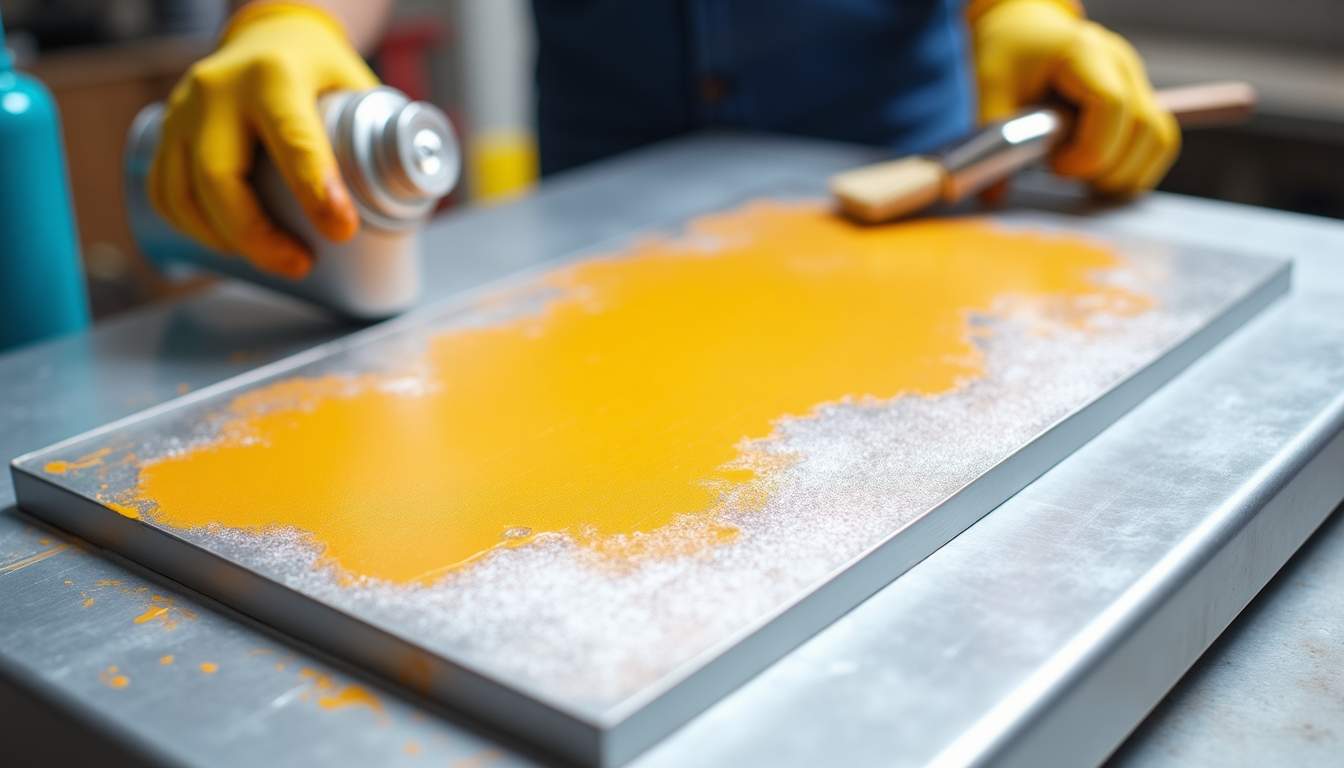
Rust inhibitors are chemical treatments that prevent oxidation on metal surfaces. These can be sprayed or brushed onto the lock and surrounding hardware. Look for products specifically formulated for outdoor metal protection.
Clear Sealants and Paints
Clear sealants provide a transparent protective layer that preserves the lock’s appearance while shielding it from moisture. Alternatively, painting the lock with rust-resistant paint can also protect it, especially if the lock is part of a larger metal gate.
Be sure to clean and dry the lock thoroughly before applying any coatings. Reapply as recommended by the product manufacturer to maintain protection.
Routine Inspections: Catching Problems Early
Regular inspections allow you to identify and address rust or corrosion before it compromises your gate lock’s function.
What to Look For
- Discoloration or Rust Spots: Early rust often appears as small orange or brown spots.
- Stiff or Difficult Operation: Resistance when turning the key or moving the latch can indicate internal corrosion or dirt buildup.
- Loose or Damaged Components: Check screws, bolts, and mounting hardware for signs of wear or rust.
When to Call a Professional
If rust has penetrated deeply, causing structural damage or lock malfunction, it may be necessary to consult a locksmith or metal specialist. Attempting to force a rusty lock can lead to breakage or lockout situations.
Environmental Considerations and Placement
Where and how your gate lock is installed can influence its susceptibility to rust and corrosion.
Shielding from the Elements
Whenever possible, position your gate lock in a location sheltered from direct rain and excessive moisture. Installing a small canopy or overhang can significantly reduce exposure to water.
Drainage and Ventilation
Ensure that water does not pool around the lock or gate hardware. Adequate drainage and ventilation help keep the area dry, reducing the risk of corrosion.
Choosing Coastal-Grade Hardware
In coastal areas where salt air accelerates corrosion, opt for hardware rated for marine environments. These products are designed to withstand harsh conditions and extend the life of your gate lock.
DIY Rust Removal Techniques
If rust has already formed on your gate lock, don’t despair. Several effective methods can help remove rust and restore function.
Using White Vinegar
White vinegar’s acidity helps dissolve rust. Soak a cloth in vinegar and wrap it around the rusty area, leaving it for a few hours. Afterward, scrub the rust off with a wire brush or steel wool, then rinse and dry thoroughly.
Baking Soda Paste
Mix baking soda with water to create a thick paste. Apply it to the rusted surface and let it sit for an hour. Scrub with a brush and rinse clean. This gentle method is great for light rust.
Commercial Rust Removers
There are many commercial rust removal products available that work quickly and effectively. Follow the manufacturer’s instructions carefully and wear protective gloves and eyewear during use.
Conclusion
Maintaining gate locks to prevent rust and corrosion requires a combination of choosing the right materials, regular cleaning, lubrication, protective treatments, and routine inspections. Environmental factors also play a significant role, so adapting your maintenance routine to your specific conditions will yield the best results.
By investing time and effort into proper gate lock maintenance, you can ensure your locks remain functional and secure for many years, avoiding the inconvenience and expense of premature replacements. Remember, a little preventive care goes a long way in preserving the integrity of your gate locks.


Leave a Reply