

Sustainable living often begins with the choices we make in our homes. From the way we dispose of waste to how we clean our food, small changes can lead to meaningful impact over time. Two easy and practical swaps are using compostable trash bags and keeping a brush for vegetables in your kitchen.
These items not only make your daily routines more efficient, but they also align with a low-waste lifestyle that supports a healthier planet.
Why Compostable Trash Bags Are a Better Choice
Most households use plastic trash bags without thinking twice. They’re cheap, convenient, and widely available. But traditional plastic bags can take hundreds of years to break down in landfills, and they often end up contributing to the growing plastic pollution problem around the world.
What Are Compostable Trash Bags?
Compostable trash bags are made from natural materials like cornstarch, PLA (a plant-based plastic alternative), or other biodegradable compounds. Unlike plastic, they’re designed to break down in composting conditions and return to the earth without leaving behind toxic residue.
These bags are especially useful for collecting food scraps and other organic waste that you want to compost at home or through a municipal composting service.
Benefits of Using Compostable Trash Bags
-
Reduces Plastic Waste
Compostable bags break down faster than plastic and don’t linger in landfills or oceans for decades. -
Supports Composting Efforts
If you compost food scraps, compostable bags make collection cleaner and easier while still being compost-friendly. -
Lower Carbon Footprint
Many compostable bags are made from renewable plant-based materials, which require less energy to produce than petroleum-based plastics. -
Non-Toxic Decomposition
Unlike plastic, which can release harmful chemicals as it degrades, compostable materials return to the soil safely.
Choosing the Right Compostable Trash Bags
Not all compostable bags are equal. Here’s what to look for:
-
Certified Compostable: Check for certifications like BPI (Biodegradable Products Institute) or EN13432. These guarantee the bag will break down properly in commercial composting facilities.
-
Durability: Compostable doesn’t have to mean flimsy. Look for bags that can handle food waste and liquids without tearing.
-
Size and Fit: Make sure to choose a bag that fits your bin. They come in various sizes for kitchen, bathroom, and yard waste.
Keep in mind that compostable bags are designed for organic waste and may not be suitable for heavy or sharp trash items.
Introducing the Brush for Vegetables
We all know how important it is to wash our produce before eating. But sometimes water alone isn’t enough—especially when dealing with root vegetables like potatoes, carrots, and beets. That’s where a brush for vegetables becomes essential.
This simple kitchen tool is designed to scrub dirt and debris from fresh produce without damaging the skin, making it a perfect addition to your eco-conscious kitchen routine.
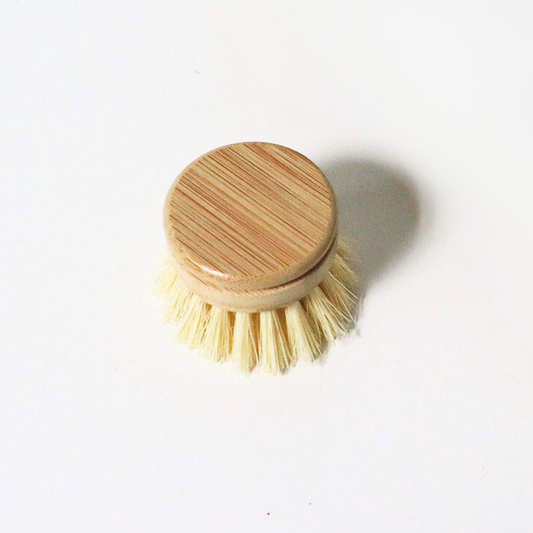
Why You Need a Brush for Vegetables
-
Cleans More Effectively Than Hands or Cloths
A vegetable brush can remove stubborn dirt that water or cloth alone may miss, especially from irregular surfaces. -
Preserves Nutrients
Scrubbing instead of peeling keeps the skins on, where many vitamins, minerals, and fiber are found. -
Reduces Food Waste
By avoiding unnecessary peeling, you get more from each piece of produce and waste less. -
Reusable and Eco-Friendly
Most vegetable brushes are made from natural materials like bamboo, coconut fiber, or sisal, making them compostable at the end of their life.
What to Look for in a Vegetable Brush
Choosing a good vegetable brush depends on how you plan to use it and what kind of produce you wash regularly. Here are some features to consider:
-
Bristle Firmness: Medium to stiff bristles work well for potatoes and carrots, while softer bristles are ideal for delicate fruits like apples or peaches.
-
Handle Comfort: A brush with an ergonomic grip makes it easier to clean without hand strain.
-
Material: Choose brushes made from bamboo, untreated wood, or other natural, biodegradable materials.
There are also double-sided options with different bristle strengths on each end for versatility.
How to Use and Care for Your Vegetable Brush
Using a brush for vegetables is simple:
-
Rinse your produce under running water.
-
Scrub the surface gently using the brush, adjusting pressure based on the type of vegetable.
-
Rinse again and pat dry.
To keep your brush in good condition:
-
Rinse thoroughly after use.
-
Let it dry completely to prevent mold or mildew.
-
Replace when the bristles become worn or frayed.
With proper care, a vegetable brush can last several months and replace countless disposable scrubbing pads or cloths.
Everyday Sustainability Starts in the Kitchen
Our kitchens are where a lot of waste is created—but they’re also where some of the most meaningful sustainability changes can be made. By being mindful of the tools and products we use every day, we take small but important steps toward a lower-impact lifestyle.
More Simple Sustainable Swaps:
In Waste Management:
-
Use compostable liners in your food waste bin.
-
Separate compostable and recyclable items properly.
-
Start a backyard compost or join a local composting program.
In Produce Care:
-
Store veggies in breathable cotton or mesh bags instead of plastic.
-
Choose unpackaged produce when shopping.
-
Avoid washing produce until you’re ready to eat, to extend shelf life.
These actions may seem small, but over time, they reduce reliance on disposable plastics and support better environmental habits.
The Long-Term Impact of Thoughtful Choices
Making eco-friendly swaps isn’t about perfection—it’s about progress. Compostable trash bags and vegetable brushes are easy to use, affordable, and available in most eco-conscious stores. More importantly, they are reminders that sustainability can be built into your everyday life.
You don’t have to change everything at once. Instead, start with simple, high-impact switches and grow from there. The more you build sustainable habits, the more natural they become.
Conclusion
Choosing compostable trash bags helps reduce plastic pollution and supports responsible waste disposal. Adding a brush for vegetables to your kitchen tools makes cleaning produce more effective while reducing food waste. Both of these choices are small, practical, and easy to adopt.
If you’re ready to explore eco-friendly alternatives that actually work, Mission Refill, a local refilling store, offers both compostable household products and reusable tools like vegetable brushes. It’s a simple step toward a more sustainable lifestyle—starting right in your kitchen.


Leave a Reply